
Minimalism Practical Life Tips: Embracing a Simplified Lifestyle
In today’s fast-paced world, the concept of minimalism offers a refreshing escape from the clutter and chaos that often define our daily lives. Minimalism practical life tips serve as a guide for those seeking to simplify their surroundings, focus on what truly matters, and cultivate a more intentional way of living. This article delves into the essence of minimalism, its benefits, practical tips for adopting it, and how it can profoundly impact various aspects of life.
Minimalism is not merely about owning fewer possessions; it’s a lifestyle choice that encourages individuals to reflect on their values and priorities. By stripping away distractions, minimalism allows for greater clarity and purpose. In this exploration, we will uncover the core tenets of minimalism, practical strategies to embrace it, and the transformative power it holds for enhancing daily life.
As we embark on this journey into minimalism, readers will learn about the significant benefits of adopting a minimalist approach, including increased mindfulness, financial freedom, and the creation of a more harmonious living environment. With actionable tips and insights, this guide aims to empower individuals to take meaningful steps toward a simpler, yet more fulfilling life.
Understanding Minimalism
The Philosophy Behind Minimalism
Minimalism is a philosophy that transcends mere aesthetics; it represents a mindset shift towards valuing quality over quantity. At its core, minimalism encourages individuals to declutter not only their physical space but also their mental and emotional landscapes. By focusing on essential items and experiences, practitioners of minimalism can cultivate a lifestyle that prioritizes meaningful connections and personal growth.
This philosophy is often exemplified by the minimalist lifestyle, which advocates for making conscious choices about one’s possessions. Minimalism encourages individuals to ask themselves critical questions: “Do I truly need this item?” or “Does this bring me joy?” Such reflections can lead to a profound transformation in one’s relationship with material goods.
The Evolution of Minimalism
Minimalism has its roots in various cultural and historical movements, from the Zen philosophy of Japan to the modern art movement of the early 20th century. Over the years, it has evolved into a popular lifestyle choice, especially in the context of consumerism and environmental sustainability. In recent years, minimalism has gained traction on social media platforms, where influencers showcase their decluttering journeys and advocate for living with less.
The rise of minimalism can also be attributed to the increasing awareness of mental health and the impact of clutter on well-being. Studies have shown that physical clutter can lead to increased stress and anxiety, highlighting the need for a more streamlined approach to life. Embracing minimalism offers individuals a pathway to reclaim their space and mental clarity.
Benefits of Minimalism in Daily Life
Enhanced Mental Clarity
One of the most significant benefits of adopting a minimalist lifestyle is the enhancement of mental clarity. By reducing distractions and simplifying one’s environment, individuals can focus better on their tasks and responsibilities. Research has indicated that a clutter-free space leads to improved concentration and cognitive function, allowing individuals to engage more fully in their daily activities.
Furthermore, minimalism encourages mindfulness, as individuals become more aware of their surroundings and the impact of their choices. This heightened awareness fosters a sense of peace and fulfillment that is often lost in the chaos of modern life.
Increased Financial Freedom
Minimalism can also lead to greater financial freedom. By prioritizing experiences over material possessions, individuals often find themselves spending less on unnecessary items. This shift in spending habits can lead to increased savings and a more secure financial future. According to a survey conducted by the National Endowment for Financial Education, individuals who practice minimalism report feeling more in control of their finances and less burdened by debt.
Moreover, embracing minimalism can encourage individuals to seek out alternative forms of entertainment and fulfillment that do not require excessive spending. Activities such as hiking, reading, or engaging in creative pursuits often bring more joy and satisfaction than purchasing new items.
| Benefit | Description |
|---|---|
| Mental Clarity | Enhanced focus and cognitive function through a decluttered environment. |
| Financial Freedom | Reduced spending habits leading to increased savings and financial security. |
| Emotional Well-Being | Improved mental health through reduced stress and anxiety associated with clutter. |
| Environmental Impact | Contributing to sustainability by reducing consumption and waste. |
Practical Tips for Adopting Minimalism
Decluttering Your Space
The first step in adopting a minimalist lifestyle is to declutter your space. This process involves systematically going through your belongings and making decisions about what to keep, donate, or discard. Start small by focusing on one area at a time, such as a closet or a single room. This approach prevents feelings of overwhelm and allows for gradual progress.
Consider using the “one-year rule” as a guideline: if you haven’t used or worn an item in the past year, it may be time to let it go. Additionally, ask yourself if each item brings you joy or serves a practical purpose. Tools such as the Marie Kondo method can also provide valuable insights into the decluttering process.
Mindful Consumption
Incorporating mindfulness into your consumption habits is crucial for sustaining a minimalist lifestyle. Before making a purchase, take a moment to evaluate the necessity of the item. Ask yourself if it aligns with your values and lifestyle goals. This practice can help curb impulsive buying and encourage more intentional choices.
Another effective strategy is to adopt a “30-day rule” for non-essential purchases. If you find yourself wanting to buy something, wait for 30 days before making the decision. This waiting period allows you to assess whether the item is truly needed and can prevent unnecessary accumulation of possessions.
Creating a Minimalist Environment
Designing a Clutter-Free Space
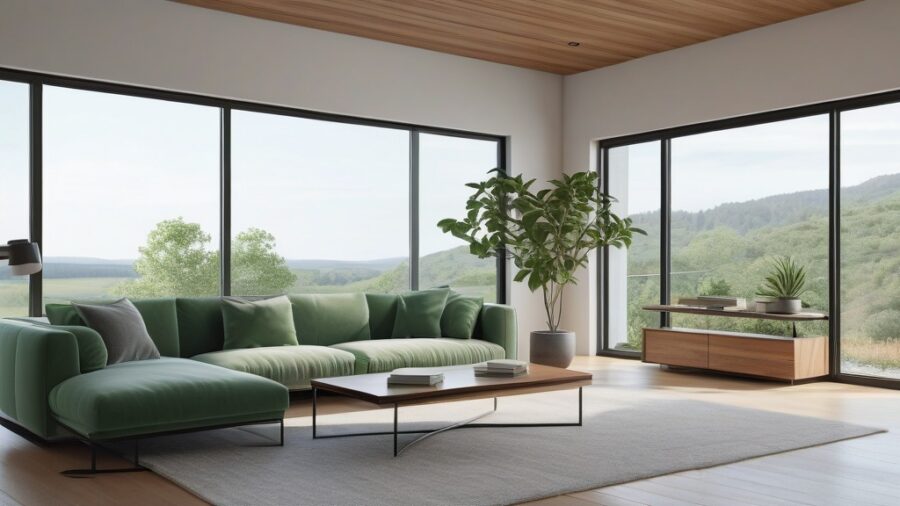
Creating a minimalist environment involves more than just decluttering; it also requires thoughtful design choices. Aim for a clean and harmonious aesthetic by selecting a neutral color palette and incorporating natural elements. Minimalist design often emphasizes open spaces, ample natural light, and functional furniture that serves multiple purposes.
Consider investing in quality over quantity when it comes to furniture and decor. Choose pieces that are both aesthetically pleasing and functional, allowing for a streamlined look while fulfilling your needs. For example, a sleek coffee table that doubles as storage can help maintain a clean environment.
Incorporating Nature
Integrating natural elements into your living space can enhance the minimalist aesthetic while promoting well-being. Plants, natural light, and organic materials contribute to a calming atmosphere. Studies have shown that exposure to nature can reduce stress, improve mood, and boost overall mental health.
Consider incorporating indoor plants, which not only add beauty but also improve air quality. Simple decor, such as wooden furniture or stone accents, can create a connection to nature and contribute to a serene environment.
Minimalism and Financial Freedom
Understanding Financial Minimalism
Financial minimalism is a concept closely related to the broader philosophy of minimalism. It emphasizes the importance of simplifying your financial life, reducing debt, and focusing on essential expenses. By adopting financial minimalism, individuals can achieve greater financial stability and freedom.
A key aspect of financial minimalism is creating a budget that reflects your priorities. Identify essential expenses and eliminate unnecessary ones. This practice not only helps in managing finances more effectively but also allows for more savings and investments in experiences that truly matter.
Investing in Experiences
Minimalism encourages individuals to invest in experiences rather than material possessions. Research has shown that experiences, such as travel or learning new skills, often lead to greater happiness and fulfillment than buying new items. According to a 2014 study published in the journal “Psychological Science,” experiential purchases tend to provide lasting satisfaction and are less likely to lead to buyer’s remorse.
By prioritizing experiences, individuals can create lasting memories and deepen their connections with others. This shift in focus can lead to a more enriched life, where happiness is derived from meaningful interactions rather than transient possessions.
| Financial Minimalism Tips | Description |
|---|---|
| Create a Budget | Identify essential expenses and eliminate unnecessary ones. |
| Reduce Debt | Focus on paying off high-interest debts first to achieve financial freedom. |
| Invest in Experiences | Prioritize spending on experiences that foster happiness and fulfillment. |
| Practice Mindful Spending | Evaluate the necessity of purchases before making decisions. |
Mindfulness and Minimalism
The Connection Between Mindfulness and Minimalism
Mindfulness is an essential component of minimalism, as it encourages individuals to live in the present moment and make conscious choices. By practicing mindfulness, individuals can cultivate awareness of their thoughts, feelings, and environment, leading to a more intentional lifestyle. This connection between mindfulness and minimalism enhances the overall experience of living simply.
Mindfulness practices, such as meditation and deep breathing, can help individuals better manage stress and anxiety. This heightened awareness allows for more thoughtful decision-making, whether in decluttering possessions or managing daily tasks.
Incorporating Mindfulness into Daily Routines
To fully embrace the benefits of minimalism, it’s essential to incorporate mindfulness into daily routines. Start by setting aside time each day for mindfulness practices, such as meditation, journaling, or mindful walking. These practices can help clear the mind and foster a deeper appreciation for the simple things in life.
Additionally, consider applying mindfulness to everyday activities. For example, practice mindful eating by savoring each bite and paying attention to the flavors and textures of your food. This approach not only enhances the dining experience but also encourages gratitude for nourishment.
Challenges of Minimalism
Overcoming Emotional Attachments
One of the primary challenges individuals face when adopting minimalism is overcoming emotional attachments to possessions. Many people hold onto items due to nostalgia, guilt, or the belief that they may need them in the future. This attachment can make the decluttering process difficult and emotionally taxing.
To overcome these attachments, it’s essential to reframe the perspective on possessions. Instead of viewing items as extensions of oneself, see them as tools that serve a purpose. Letting go of items that no longer align with your values can be liberating and create space for new experiences and opportunities.
Maintaining Motivation
Another challenge is maintaining motivation throughout the journey of minimalism. The process of decluttering and simplifying one’s life can be overwhelming at times, leading to feelings of frustration or discouragement. Setting clear, achievable goals can help individuals stay focused and motivated.
Consider breaking down the decluttering process into manageable tasks, such as dedicating a specific amount of time each week to focus on one area. Celebrating small victories along the way can also provide a sense of accomplishment and reinforce commitment to the minimalist lifestyle.
Conclusion
Minimalism is a powerful approach to living that emphasizes simplicity, intentionality, and mindfulness. By adopting minimalism practical life tips, individuals can experience numerous benefits, including enhanced mental clarity, financial freedom, and improved emotional well-being. The journey toward minimalism requires commitment and reflection, but the rewards are well worth the effort.
As you explore the principles of minimalism, remember that it is a personal journey that can be tailored to your unique values and lifestyle. Embrace the process of decluttering, mindful consumption, and creating a harmonious environment. With dedication and perseverance, you can transform your life into one that prioritizes what truly matters.
Frequently Asked Questions
What is minimalism?
Minimalism is a lifestyle philosophy that encourages individuals to simplify their lives by focusing on what truly matters. It involves decluttering physical possessions, reducing distractions, and prioritizing meaningful experiences over material goods.
How can I start adopting minimalism?
To begin adopting minimalism, start by decluttering your space, evaluating your possessions, and letting go of items that no longer serve a purpose. Additionally, practice mindful consumption by considering the necessity of future purchases and focusing on experiences rather than things.
What are the benefits of minimalism?
Benefits of minimalism include enhanced mental clarity, increased financial freedom, improved emotional well-being, and a more sustainable lifestyle. By simplifying your life, you can reduce stress and create a more fulfilling existence.
Is minimalism only about decluttering?
No, minimalism encompasses more than just decluttering. It involves adopting a mindset that values simplicity, intentionality, and mindfulness in all aspects of life. This includes financial habits, consumption choices, and lifestyle decisions.
Can minimalism be applied to all areas of life?
Yes, minimalism can be applied to various areas of life, including home, finances, relationships, and even digital spaces. The principles of minimalism can help individuals create a more intentional and fulfilling lifestyle across all dimensions.
Recap
- Minimalism emphasizes simplicity and intentionality in daily life.
- Benefits include mental clarity, financial freedom, and improved emotional well-being.
- Practical tips include decluttering, mindful consumption, and creating a minimalist environment.
- Mindfulness practices enhance the experience of minimalism.
- Challenges include overcoming emotional attachments and maintaining motivation.
- Minimalism is a personal journey that can be tailored to individual values.
- Investing in experiences leads to greater happiness than accumulating material possessions.
- Embracing minimalism can transform your life into a more fulfilling and meaningful existence.