
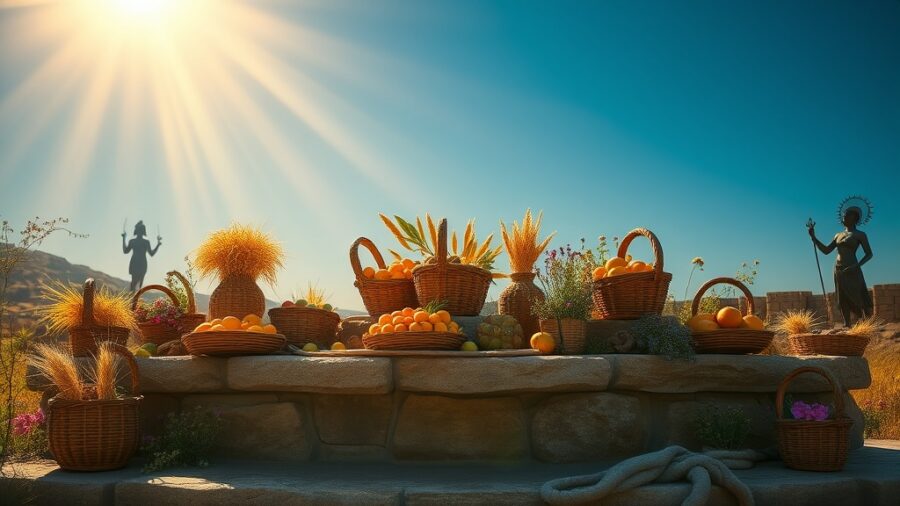
Mythology Harvest Fertility Gods: An In-Depth Exploration
In ancient cultures, the connection between agriculture and spirituality was profound, giving rise to a pantheon of deities known as harvest fertility gods. These gods were not just figures of worship; they were integral to the survival and prosperity of societies heavily reliant on successful harvests. As we delve into the complexities of these deities, we will uncover their roles, the fascinating myths surrounding them, and the rituals that honored them throughout history.
This article aims to provide a comprehensive understanding of harvest fertility gods in various mythologies, their significance in ancient civilizations, and their lasting impact on modern interpretations. From the iconic deities of the Greek and Roman pantheon to the lesser-known figures in indigenous cultures, we will explore how these gods were perceived and celebrated. Prepare to embark on a journey that highlights not only their mythological backgrounds but also the cultural rituals that brought communities together in reverence of fertility and abundance.
As we navigate through this intricate tapestry of beliefs, we will also discuss how contemporary society interprets these ancient myths, often finding parallels in modern agricultural practices and environmental consciousness. By the end of this exploration, readers will appreciate the enduring legacy of fertility deities, understanding their influence on our world today.
Introduction to Harvest Fertility Gods
The Concept of Fertility in Ancient Societies
Fertility has always been a cornerstone of survival in human history. In ancient societies, the ability to cultivate land and produce food directly correlated with survival and prosperity. This relationship fostered a deep-seated belief in fertility gods who were thought to control the forces of nature. From the annual cycles of planting and harvesting to the very essence of life itself, these deities represented the hope for a fruitful season.
For instance, in ancient Egypt, the goddess Isis was revered as a protector of agriculture and fertility. She was often depicted with symbols of grain and crops, embodying the essence of nourishment and sustenance. Similarly, the Greeks worshiped Demeter, the goddess of the harvest, who was central to their agricultural calendar. The myths surrounding these deities often illustrated their struggles and triumphs, mirroring the challenges faced by farmers.
The Role of Rituals and Offerings
Rituals played a crucial role in appeasing these gods and ensuring favorable conditions for agriculture. Communities would gather to perform elaborate ceremonies, which often included offerings of food, livestock, and grains. These rituals were not merely acts of devotion; they were essential to the social fabric of the community, reinforcing shared beliefs and practices.
For example, during the Roman festival of Cerealia, dedicated to the goddess Ceres, citizens participated in games, rituals, and feasts to celebrate the harvest. Such events were pivotal in fostering a sense of unity among participants, emphasizing the collective responsibility toward fertility and abundance. These practices highlight how essential harvest fertility gods were in shaping cultural identities and agricultural success.
The Role of Fertility Gods in Ancient Civilizations
Fertility Deities Across Cultures
Throughout history, various civilizations have worshiped fertility deities unique to their cultural landscapes. From the highly agricultural societies in Mesopotamia to the nomadic tribes of North America, the reverence for fertility gods varied, yet their core functions remained similar.
In Mesopotamia, for instance, the goddess Inanna was seen as a powerful figure associated with love, fertility, and warfare. Her dual nature reflected the complexities of life and death, which were integral to agricultural cycles. In contrast, in the Americas, the Inca civilization revered Pachamama, the Earth goddess, who was seen as the provider of crops and sustenance. Her worship involved rituals that honored the earth’s fertility and the interconnectedness of all living beings.
Impact on Agricultural Practices
The belief in fertility gods also influenced agricultural practices. Farmers would often consult oracles or priests believed to interpret the will of the gods. This relationship dictated when to plant, how to cultivate, and when to harvest, ensuring that agricultural activities aligned with the divine calendar.
Statistical data from ancient writings indicates that societies that actively engaged with these rituals and beliefs often experienced higher yields. For example, the annual flooding of the Nile River was celebrated by Egyptians as a gift from the gods, directly correlating with their agricultural success. This connection between belief and practice underscores how harvest fertility gods shaped not only religious practices but also agricultural methodologies.
| Civilization | Fertility God | Key Attributes |
|---|---|---|
| Ancient Egypt | Isis | Protection of crops, motherhood |
| Greece | Demeter | Harvest, agriculture, fertility |
| Rome | Ceres | Grain, fertility, motherhood |
| Mesopotamia | Inanna | Love, fertility, warfare |
| Inca | Pachamama | Earth, agriculture, sustenance |
Prominent Fertility Gods and Their Myths
Demeter: The Greek Goddess of the Harvest
Demeter, one of the Olympian deities, is perhaps one of the most recognized harvest fertility gods in Western mythology. According to Greek mythology, she was responsible for the fertility of the earth and the cycle of growth and harvest. Her most famous myth involves her daughter, Persephone, who was abducted by Hades, the god of the underworld. This event led to Demeter’s grief, which caused the earth to become barren, illustrating the direct connection between emotional states and agricultural health.
The myth of Demeter and Persephone reflects the seasonal cycle: when Persephone returns to the surface, spring arrives, and when she descends to the underworld, winter follows. This story serves as a poignant reminder of the interdependence of life and death, a theme central to many agricultural societies.
Ceres: The Roman Counterpart
Similar to Demeter, Ceres was the Roman goddess of agriculture and fertility. The Romans celebrated her during the festival of Cerealia, which included various games and rituals aimed at ensuring a bountiful harvest. Ceres was often depicted with a cornucopia, symbolizing abundance, and she played a significant role in Roman mythology as a protector of the plebeians—the common people.
The Romans also adopted elements of Greek mythology, intertwining Ceres with the story of Persephone. This blending of myths illustrates how cultures can coalesce around shared themes of fertility and harvest, demonstrating the universality of these concepts across civilizations.
Cultural Rituals Around Harvest and Fertility
Harvest Festivals and Their Significance
Harvest festivals have been a cornerstone of agricultural societies, celebrating the fruits of labor and honoring the gods who made it possible. These festivals often involved communal gatherings, feasting, and various rituals to express gratitude for the harvest.
For example, the Thanksgiving holiday in modern America has roots in ancient harvest festivals, where communities would come together to give thanks for the bounty of the land. Similarly, the Oktoberfest in Germany originated as a harvest festival, celebrating the end of the harvest season with food, drink, and merriment.
Rituals to Ensure Fertility
In many cultures, specific rituals were performed to ensure fertility not only in crops but also in livestock and even human fertility. In ancient Rome, the Fertility Festival involved offerings and rites aimed at promoting fertility in both land and people. The rituals often included prayers, dances, and sacrifices, underscoring the belief that divine favor was essential for a successful harvest.
Similarly, the Hopi people of North America performed the Bean Dance to honor the earth and ensure the fertility of their crops. This ritual, deeply rooted in their cultural identity, reflects the interconnectedness of community, spirituality, and agriculture.
| Harvest Festival | Culture | Significance |
|---|---|---|
| Thanksgiving | American | Gratitude for the harvest |
| Oktoberfest | German | Celebration of the harvest season |
| Fertility Festival | Roman | Promoting fertility in crops and livestock |
| Bean Dance | Hopi | Honoring the earth and ensuring crop fertility |
Modern Interpretations of Harvest Fertility Myths
Contemporary Agricultural Practices
In today’s world, the reverence for harvest fertility gods has transformed, yet their influence persists. Modern agricultural practices often incorporate ancient wisdom, recognizing the importance of sustainable farming and environmental stewardship. Many farmers today still honor the cycles of the earth, paralleling ancient rituals with contemporary methods.
For example, organic farming practices emphasize respect for the land, echoing the sentiments of ancient cultures that revered nature and its fertility. Farmers are increasingly aware of the impacts of their practices on the environment, drawing inspiration from the past to cultivate a more sustainable future.
Spirituality and Environmental Movements
The connection between spirituality and agriculture has also seen a resurgence in various environmental movements. Many contemporary groups advocate for a return to traditional farming methods, emphasizing the spiritual relationship between humans and the earth. Practices such as permaculture and agroecology reflect a holistic approach to farming, recognizing the interconnectedness of all life forms.
These movements often invoke the imagery of ancient fertility deities, using them as symbols of hope and renewal. By doing so, they promote a deeper understanding of our place within the ecosystem, encouraging individuals to honor the earth as our ancestors once did.
Conclusion: The Enduring Legacy of Fertility Deities
The exploration of harvest fertility gods reveals the intricate relationships between mythology, agriculture, and culture. From the ancient civilizations that worshiped these deities to modern interpretations of their significance, the legacy of fertility gods endures. They remind us of the vital connection between humanity and the earth, urging us to honor and protect the natural world.
As we reflect on the myths and rituals associated with these deities, we recognize their lasting impact on cultural practices and agricultural methodologies. The reverence for fertility, whether in crops or human life, continues to resonate, shaping our understanding of abundance and sustainability in contemporary society.
FAQ about Harvest Fertility Gods
1. What are harvest fertility gods?
Harvest fertility gods are deities associated with agriculture, fertility, and the abundance of crops. They were worshiped in various cultures to ensure successful harvests and to promote fertility in both land and people.
2. How did ancient civilizations honor these gods?
Ancient civilizations honored harvest fertility gods through rituals, offerings, and festivals. These celebrations often included communal feasting, dances, and sacrifices to express gratitude and seek favor for bountiful harvests.
3. What is the significance of the myth of Demeter and Persephone?
The myth of Demeter and Persephone illustrates the cyclical nature of life, death, and rebirth. It reflects the agricultural seasons, emphasizing the connection between human emotions and agricultural health.
4. Are there modern equivalents to these ancient fertility rituals?
Yes, modern agricultural practices increasingly incorporate sustainable methods that echo ancient reverence for the earth. Environmental movements often invoke the imagery of fertility deities, promoting a holistic approach to farming and environmental stewardship.
5. How do fertility gods influence contemporary culture?
Fertility gods influence contemporary culture by serving as symbols of hope and sustainability. Their myths resonate in environmental movements, reminding individuals of the importance of honoring the earth and maintaining a balance with nature.
Recap
- Harvest fertility gods are central figures in many ancient cultures, representing agricultural prosperity.
- Rituals and offerings were crucial in honoring these deities and ensuring successful harvests.
- Demeter and Ceres are prominent figures in Western mythology, embodying the spirit of fertility and harvest.
- Harvest festivals continue to play a significant role in cultural celebrations today.
- Modern agricultural practices are increasingly influenced by ancient wisdom regarding sustainability and environmental stewardship.
- The legacy of fertility deities serves as a reminder of our connection to the earth and the importance of nurturing it.
- Contemporary movements emphasize the need to honor traditional practices while adapting to modern environmental challenges.
- The myths surrounding harvest fertility gods still resonate, shaping cultural identities and agricultural methodologies.