
Introduction
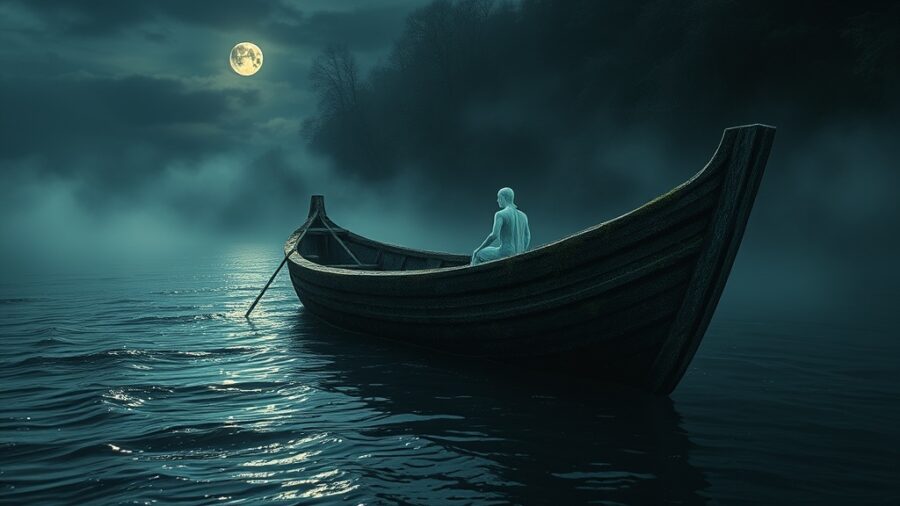
The concept of mythology river crossing afterlife is a profound theme that appears in various cultures around the globe. Rivers often symbolize transition, boundary, and the passage from one state of existence to another. In many mythologies, crossing a river signifies the journey to the afterlife, a theme that resonates deeply with human experience and belief systems. This article will explore the pivotal role that rivers play in mythologies, the symbolism of river crossings, and how these elements relate to beliefs about the afterlife.
Throughout history, rivers have served not just as physical barriers but also as metaphysical gateways. They are often depicted as the dividing lines between the living and the dead, the earthly realm and the spiritual world. This exploration will delve into specific case studies, such as the River Styx in Greek mythology and the Nile River in Egyptian beliefs, to illustrate the significance of these crossings.
As we embark on this journey, we will uncover famous river crossings in various mythologies, analyze their symbolic meanings, and compare how different cultures interpret these transitions. By the end of this article, readers will gain a comprehensive understanding of the intricate relationship between rivers and afterlife beliefs across cultures.
The Role of Rivers in Mythologies Around the World
Rivers have been a recurring motif in the mythologies of numerous cultures. They are often seen as sacred entities, imbued with spiritual significance. In ancient civilizations, rivers were not just vital for agriculture and sustenance; they were also crucial for religious practices. Many myths portray rivers as living beings that embody the essence of life, death, and rebirth.
Rivers as Sacred Entities
In many cultures, rivers are revered as sacred. For instance, the Ganges River in India is considered the most sacred river in Hinduism. It is believed that bathing in the Ganges cleanses one of sins and facilitates the transition to the afterlife. Similarly, the Amazon River holds deep spiritual significance for indigenous tribes, believed to be a lifeline connecting them to their ancestors.
Mythological Personifications of Rivers
Rivers are often personified in myths, portrayed as gods or spirits. In Greek mythology, the rivers are personified through deities such as Acheron, the river of pain, and Lethe, the river of forgetfulness. These personifications add layers of meaning to the rivers, emphasizing their roles in the cycle of life and death.
- Ganges River: Sacred in Hinduism, symbolizing purification.
- Nile River: Integral to Egyptian mythology, representing life and death.
- Styx River: In Greek mythology, a boundary between the living and the dead.
- Amazon River: Connected to indigenous beliefs, representing ancestral ties.
Famous River Crossings in Mythology
Throughout various mythologies, certain river crossings stand out due to their dramatic significance and the lessons they impart. These crossings often serve as pivotal moments that mark the transition from life to death or vice versa, highlighting the importance of the act itself.
The Styx: A Gateway to the Underworld
The River Styx is perhaps one of the most famous mythological rivers. In Greek mythology, it is the river that souls must cross to enter the Underworld. Charon, the ferryman, transports the deceased across this river, but only if they can pay him with an obol, a small coin placed in the mouth of the deceased. This practice underscores the belief that proper burial rites are essential for a smooth passage into the afterlife.
The Nile: Life and Resurrection
The Nile River holds a central place in Egyptian mythology. It is not only a source of life but also a means of transition to the afterlife. The ancient Egyptians believed that crossing the Nile was akin to entering the realm of Osiris, the god of the afterlife. The annual flooding of the Nile was seen as a cycle of death and rebirth, mirroring the journey of the soul in the afterlife.
| River | Mythology | Significance |
|---|---|---|
| Styx | Greek | Crossing to the Underworld |
| Nile | Egyptian | Life and Resurrection |
| Lethe | Greek | Forgetting the past |
| Ganges | Hindu | Purification and afterlife transition |
The Symbolism of River Crossings in Afterlife Beliefs
River crossings often symbolize profound transitions. The act of crossing a river in mythology is laden with meaning and reflects the complexities of the human experience regarding death and the afterlife. These crossings represent the final journey, transformation, and the passage into another existence.
The Journey of the Soul
In many cultures, the river crossing symbolizes the journey of the soul from the physical world to the spiritual realm. This journey is often fraught with challenges and tests that the soul must undergo to attain peace in the afterlife. For example, in some Native American beliefs, the river crossing represents a rite of passage that demonstrates the soul’s readiness for the afterlife.
Bridging the Gap Between Worlds
Rivers serve as a metaphorical bridge between the living and the dead. They are often depicted as boundaries that must be crossed to enter the afterlife. This symbolism is prevalent in various cultures, where the river is seen as a portal that facilitates the soul’s journey to reunion with ancestors or deities. The act of crossing signifies acceptance of one’s fate and the relinquishment of earthly ties.
- Transformation: Crossing signifies change from one state to another.
- Challenge: Souls often face trials before crossing.
- Reunion: Represents the connection with ancestors and past lives.
- Acceptance: Emphasizes relinquishing earthly attachments.
Case Study: The River Styx in Greek Mythology
The River Styx is a cornerstone of Greek mythology, representing the boundary between the living world and the Underworld. It is depicted as a dark, murky river where souls are ferried by Charon, the grim ferryman. Those who could not pay the fare were said to wander the shores of the Styx for eternity, unable to enter the afterlife.
Charon’s Role and the Importance of Burial Rites
Charon’s role as the ferryman emphasizes the importance of burial rites in ancient Greek culture. The obol placed in the mouth of the deceased is not merely a payment but a symbol of respect and preparation for the journey ahead. Without this offering, the soul would remain in limbo, highlighting the cultural belief in the necessity of proper funerary practices.
Symbolism of the Styx in Modern Context
The River Styx has transcended its mythological origins to become a symbol in modern literature and art. It often represents the boundary between life and death, as well as the unknown. The phrase “crossing the Styx” has entered common parlance, signifying a profound transition or the end of an era. This enduring symbolism speaks to the deep-rooted human fascination with mortality and the afterlife.
Case Study: The Nile River in Egyptian Mythology
The Nile River is a vital aspect of Egyptian mythology, representing both life and the afterlife. The Egyptians believed that the Nile was a divine gift, essential for sustaining life through agriculture. However, it also played a crucial role in the journey to the afterlife, symbolizing the passage from the physical world to the realm of the dead.
The Journey to the Afterlife and the Role of Osiris
In Egyptian beliefs, crossing the Nile was tantamount to entering the afterlife, guided by Osiris, the god of the dead. The deceased would traverse the river to reach the Hall of Judgement, where their hearts would be weighed against the feather of Ma’at. This judgment determined their fate in the afterlife, emphasizing the moral implications of one’s earthly life.
Flooding of the Nile as a Metaphor for Rebirth
The annual flooding of the Nile, known as the inundation, was seen as a vital cycle of death and rebirth. This natural phenomenon symbolized fertility and renewal, paralleling the beliefs surrounding the soul’s journey after death. The flooding represented the cyclical nature of life, reinforcing the idea that death is not an end but a transition to a new beginning.
- Divine Gift: The Nile as the source of life in Egypt.
- Osiris: The god who guides souls to the afterlife.
- Judgment: Weighing of the heart against Ma’at’s feather.
- Cycle of Life: The flooding as a symbol of rebirth.
Comparative Analysis of River Crossings Across Cultures
A comparative analysis of river crossings across various cultures reveals both similarities and differences in how these societies perceive death and the afterlife. While the symbolism of rivers as boundaries is universal, the narratives surrounding these crossings can vary widely.
Similarities in River Symbolism
Many cultures share the belief that rivers serve as metaphysical boundaries. For instance, in both Greek and Egyptian mythologies, rivers are depicted as essential to the afterlife journey. This commonality reflects a shared understanding of rivers as symbols of transition and transformation.
Differences in Mythological Narratives
Despite these similarities, the narratives surrounding river crossings differ significantly. For example, while the Greek focus is on the individual soul’s journey and the importance of payment to Charon, Egyptian beliefs emphasize collective judgment and resurrection through Osiris. These differences highlight the unique cultural contexts that shape the understanding of life, death, and what lies beyond.
| Culture | River | Afterlife Belief |
|---|---|---|
| Greek | Styx | Individual judgment by Charon |
| Egyptian | Nile | Collective judgment by Osiris |
| Hindu | Ganges | Purification for afterlife |
| Native American | Various | Spiritual journey and connection with ancestors |
Conclusion
The exploration of mythology river crossing afterlife reveals the deep-rooted significance of rivers in various cultures. These bodies of water serve as profound metaphors for transition, symbolizing the journey from life to death and the complexities that accompany it. Through case studies of the River Styx and the Nile, we see how different cultures interpret these crossings, highlighting both shared beliefs and unique narratives.
As we reflect on the role of rivers in mythology, it becomes evident that they are not merely physical entities but powerful symbols that resonate with humanity’s quest for understanding life, death, and what lies beyond. The stories of river crossings invite us to ponder our mortality and the spiritual journeys that await us.
FAQ
What is the significance of rivers in mythology?
Rivers often symbolize the boundary between the living and the dead in various mythologies. They serve as metaphors for transition, representing the journey of the soul from one state of existence to another.
How does the River Styx relate to Greek mythology?
The River Styx is a crucial element in Greek mythology, marking the boundary between the living world and the Underworld. Souls must cross this river to enter the afterlife, guided by Charon, the ferryman.
What role does the Nile River play in Egyptian beliefs?
The Nile River is essential in Egyptian mythology, symbolizing life and the afterlife. It represents the journey to the afterlife, where the deceased are judged by Osiris.
Are there common themes in river crossings across cultures?
Yes, many cultures share the belief that rivers serve as metaphysical boundaries. However, the narratives surrounding these crossings can vary significantly, reflecting unique cultural contexts.
What does crossing a river symbolize in these mythologies?
Crossing a river often symbolizes the transition from life to death. It represents acceptance of one’s fate and the journey toward reunion with ancestors or deities.
Recap in Bullet Points
- Rivers symbolize the boundary between life and the afterlife in many mythologies.
- The River Styx is key in Greek mythology for crossing into the Underworld.
- The Nile River represents life, death, and resurrection in Egyptian beliefs.
- River crossings signify profound transitions and the journey of the soul.
- Comparative analysis shows both similarities and differences in river symbolism across cultures.
- Understanding these mythologies offers insight into humanity’s quest for meaning regarding death and the afterlife.