
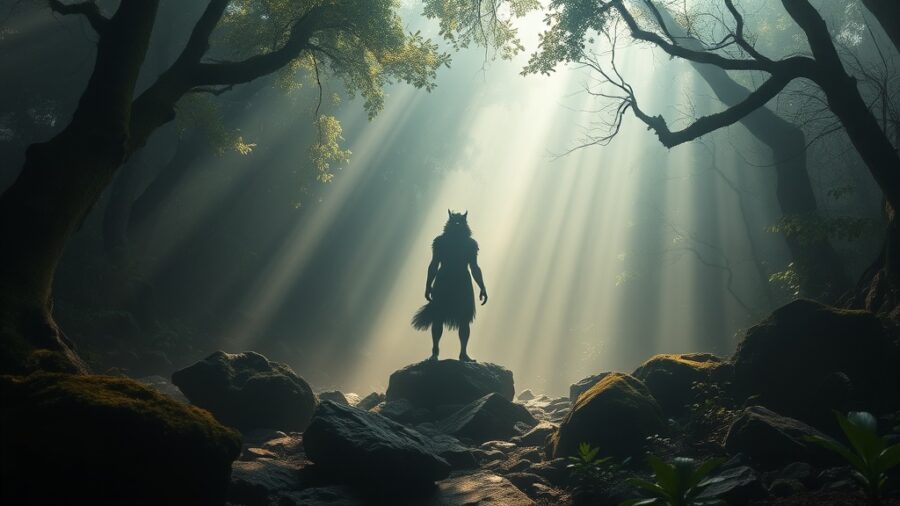
Shapeshifter Myths Worldwide Legends
Throughout history, shapeshifter myths have captivated the imagination of cultures across the globe. These legends, rich in symbolism and meaning, reveal much about the societies that created them. In this article, we will explore the various shapeshifter myths, their cultural significance, and how they continue to evolve in modern media. By the end, readers will have a comprehensive understanding of these fascinating legends that cross borders and time.
Shapeshifters, beings capable of transforming their physical form, have been integral to storytelling in numerous societies. From the ancient Native American tales of the skinwalker to the European legends of werewolves, these myths serve as cautionary tales and reflections of human nature. This article will delve into the origins and meanings behind these myths, illustrating their profound impact on cultural identity.
As we navigate through this exploration, we will uncover famous shapeshifter legends, examine their roles within folklore, and analyze their representation in contemporary media. The enduring nature of these stories speaks to their universal themes and the continued fascination they inspire in audiences today.
Introduction to Shapeshifter Myths
The Origins of Shapeshifter Legends
Shapeshifter myths can be traced back to ancient civilizations, where they often served as metaphors for transformation and adaptability. In many cultures, these creatures symbolize the duality of human nature, representing both our primal instincts and our higher aspirations. For instance, in Hindu mythology, the god Vishnu takes on multiple forms (avatars) to restore cosmic order, illustrating the idea of transformation for a greater purpose.
In Greek mythology, the tale of Zeus transforming into a swan or a bull to seduce mortals highlights the complexities of identity and desire. These early narratives laid the groundwork for the rich tapestry of shapeshifter legends that would follow, with each culture adding its unique flavor to the concept. From the Japanese kitsune to the African trickster figure of Anansi, the role of shapeshifters has evolved but remains a compelling element of storytelling.
Symbolism of Transformation
The act of transformation inherent in shapeshifter myths symbolizes personal growth, change, and the struggle between opposing forces within individuals. In many stories, the shapeshifter undergoes a physical transformation that parallels an internal journey, serving as a metaphor for self-discovery. For example, in Native American folklore, shapeshifting often represents a connection to nature and the spiritual world, emphasizing the importance of balance and harmony.
Moreover, these myths often highlight societal fears and moral lessons. For instance, the transformation of a human into a beast can symbolize the loss of humanity when one succumbs to base instincts. This duality serves as both a cautionary tale and a source of fascination, allowing audiences to grapple with their own identities and fears.
Cultural Significance of Shapeshifters
Shapeshifters in Indigenous Cultures
In many indigenous cultures, shapeshifters hold a revered place in mythology. For example, in Native American traditions, the skinwalker is a complex figure capable of transforming into various animals, often embodying both good and evil. The skinwalker myth serves as a reminder of the power of nature and the consequences of disrespecting it. This duality emphasizes the importance of ethical behavior and respect for the spiritual realm.
Similarly, the Australian Aboriginal legend of the Rainbow Serpent illustrates the connection between shapeshifting and the land. The Rainbow Serpent is believed to have shaped the earth and its inhabitants, embodying the spirit of creation and transformation. These legends reflect the deep ties indigenous cultures have with their environment and the significance of maintaining harmony with nature.
Shapeshifters in World Religions
Beyond folklore, shapeshifters appear in various world religions, often embodying divine qualities. In Christianity, the concept of transformation is prevalent, particularly in the figure of Jesus, who is believed to have performed miracles, including the transformation of water into wine. This miracle serves as a symbolic representation of spiritual renewal and change.
Furthermore, the Islamic tradition includes the story of Iblis, who can shape-shift and disguise himself. His ability to transform serves as a cautionary tale about deception and the importance of staying true to one’s faith. These religious narratives underscore the significance of shapeshifters in exploring themes of morality, faith, and the human condition.
| Cultural Context | Shapeshifter Type | Key Features |
|---|---|---|
| Native American | Skinwalker | Transforms into animals, embodies good and evil |
| Australian Aboriginal | Rainbow Serpent | Creator spirit, connection to land |
| Greek | Zeus | Transforms for seduction, reflects duality |
| Hindu | Vishnu | Multiple avatars for cosmic balance |
Famous Shapeshifter Legends
The Legend of the Werewolf
The werewolf myth is perhaps one of the most recognized shapeshifter legends worldwide. Originating from European folklore, specifically in the Middle Ages, the werewolf is often depicted as a man cursed to transform into a wolf during the full moon. This transformation symbolizes the struggle between civilization and primal instincts, reflecting societal fears surrounding the unknown.
Literary works like “The Werewolf” by Angela Carter and films such as “An American Werewolf in London” have perpetuated this myth, exploring themes of identity and the darker aspects of human nature. The werewolf legend remains a powerful metaphor for the duality of man, representing the internal battle between our civilized selves and our wild instincts.
The Kitsune of Japan
In Japanese mythology, the kitsune is a fox spirit known for its ability to shapeshift, often into a beautiful woman. This legend has deep cultural roots, symbolizing intelligence, cunning, and the balance of good and evil. Kitsune are often depicted as protectors, yet they can also be tricksters, reflecting the complexities of human nature.
The kitsune myth has influenced various aspects of Japanese culture, from literature to modern anime. Notable mentions include the “InuYasha” series and the film “Spirited Away”, where shapeshifting plays a crucial role in character development and plot progression. This rich tapestry of stories illustrates the enduring fascination with shapeshifters in Japanese culture.
The Role of Shapeshifters in Folklore
Shapeshifters as Tricksters
In many cultures, shapeshifters are often portrayed as tricksters, embodying chaos and unpredictability. The African trickster figure Anansi, for example, is known for his ability to change form and outsmart others. These tales serve to challenge societal norms and provide moral lessons, illustrating the consequences of deceit and cunning.
Similarly, in Native American folklore, the coyote is a well-known trickster who frequently shapeshifts. The coyote’s antics often reveal human follies and the importance of wisdom. These stories emphasize the role of shapeshifters as agents of change, capable of challenging the status quo and prompting introspection among audiences.
Shapeshifters as Guardians
Conversely, shapeshifters can also serve as guardians or protectors within folklore. In many cultures, these beings are believed to possess wisdom and the ability to navigate between worlds. For example, in Inuit mythology, the Selkie is a creature that can transform from a seal to a human. Selkies are often associated with themes of love and loss, symbolizing the connection between humans and the sea.
These guardian shapeshifters embody the idea of balance, guiding individuals through challenges and helping them discover their true potential. The dual nature of shapeshifters as both tricksters and guardians illustrates the complexities of their roles within folklore, highlighting their significance in cultural narratives.
| Shapeshifter Type | Cultural Context | Role |
|---|---|---|
| Werewolf | European | Struggle between civilization and primal instincts |
| Kitsune | Japanese | Protector and trickster |
| Coyote | Native American | Trickster, reveals human follies |
| Selkie | Inuit | Guardian, connection to love and loss |
Shapeshifters in Modern Media
Influence on Literature and Film
The portrayal of shapeshifters in modern media continues to evolve, reflecting contemporary societal issues and interests. In literature, authors like Patricia A. McKillip and Neil Gaiman have incorporated shapeshifting themes into their works, often using these beings to explore identity and transformation in a modern context. For instance, Gaiman’s “American Gods” features multiple shapeshifters, representing the clash between old and new beliefs.
In film, franchises like “Twilight” and “Harry Potter” have popularized shapeshifting characters, making them accessible to younger audiences. The werewolf and animagus concepts in these series serve to engage viewers in the exploration of self-identity and the impact of societal expectations. This modern representation of shapeshifters continues to resonate with audiences, highlighting their enduring appeal.
Shapeshifters in Video Games
Shapeshifters also play a significant role in video games, where their transformative abilities are often central to gameplay mechanics. Titles like “The Legend of Zelda: Ocarina of Time” feature characters who can switch forms to solve puzzles and defeat enemies. These interactive experiences allow players to engage with the concept of shapeshifting in a hands-on manner, emphasizing themes of adaptability and transformation.
Moreover, games like “World of Warcraft” and “Dungeons & Dragons” incorporate shapeshifting as a key element of character progression and storytelling. Through these platforms, players can explore the multifaceted nature of identity and the power of transformation, reinforcing the cultural significance of shapeshifter myths in contemporary media.
Conclusion and Reflection
In summary, shapeshifter myths have played a vital role in shaping cultural narratives across the globe. From their origins in ancient folklore to their modern representations in literature, film, and video games, these legends continue to captivate audiences with their rich symbolism and themes of transformation. The duality of shapeshifters as both tricksters and guardians serves as a powerful reminder of the complexities of human nature and the ongoing struggle between our primal instincts and higher aspirations.
As we reflect on the enduring significance of shapeshifters, it is essential to recognize their ability to challenge societal norms and provoke introspection. These myths not only provide entertainment but also serve as a lens through which we can examine our identities, fears, and aspirations. The fascination with shapeshifters is likely to persist, as they embody the timeless human experience of transformation.
FAQ about Shapeshifter Myths
1. What are shapeshifters?
Shapeshifters are beings capable of transforming their physical form, often appearing in various mythologies and folklore. They symbolize transformation, adaptability, and the duality of human nature.
2. What is the significance of shapeshifters in different cultures?
Shapeshifters hold various roles in different cultures, often embodying themes of morality, identity, and the relationship between humans and nature. They can serve as guardians, tricksters, or reflections of societal fears.
3. How have shapeshifters evolved in modern media?
Shapeshifters have evolved in modern media, appearing in literature, film, and video games. They often represent contemporary issues related to identity and transformation, making them relatable to audiences.
4. Can you give examples of famous shapeshifter myths?
Some famous shapeshifter myths include the werewolf from European folklore, the kitsune from Japanese mythology, and the skinwalker from Native American traditions. Each of these myths carries unique cultural significance and themes.
5. Why do shapeshifter myths resonate with people today?
Shapeshifter myths resonate with people today because they explore universal themes of identity, transformation, and the struggle between our primal instincts and higher aspirations. They allow audiences to reflect on their own experiences and challenges.
- Shapeshifter myths are present in cultures worldwide, highlighting their universal appeal.
- These legends often symbolize transformation, adaptability, and duality of human nature.
- Shapeshifters can serve as both tricksters and guardians within folklore.
- Modern media continues to evolve the representation of shapeshifters, engaging new audiences.
- Famous shapeshifter myths include the werewolf, kitsune, and skinwalker.
- These myths encourage introspection and exploration of identity.
- The allure of shapeshifters remains strong, reflecting timeless human experiences.
- Shapeshifter legends provide rich narratives that challenge societal norms.