
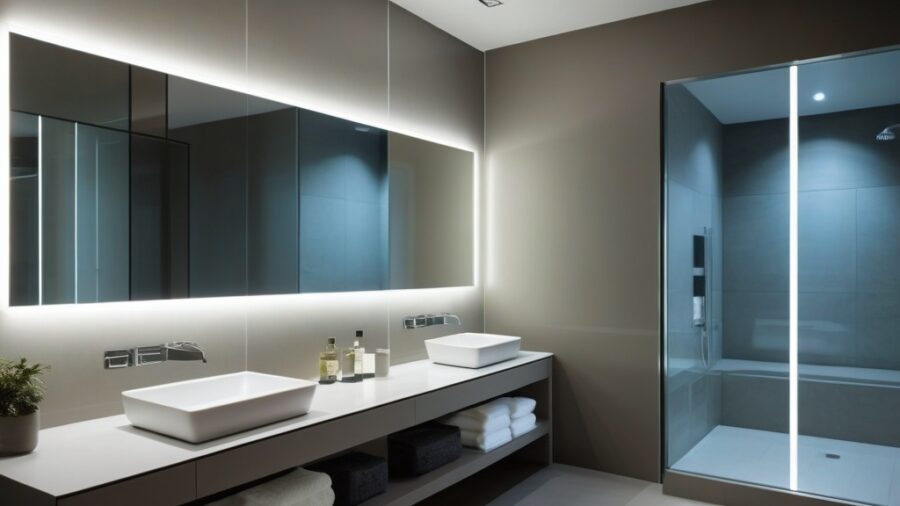
Smart Mirrors Interactive Displays: Revolutionizing Personal Spaces
In the era of technology, the integration of smart mirrors interactive displays has brought a transformative approach to personal and professional spaces. These mirrors not only reflect our image but also provide a plethora of information and interactive features that enhance our daily routines. As we delve deeper into this fascinating subject, we will explore what smart mirrors are, their benefits, applications across various industries, and the technological innovations that drive them.
This article will guide you through the current landscape of smart mirrors, shedding light on their multifunctionality and the myriad of benefits they offer. By the end, you will have a comprehensive understanding of smart mirrors interactive displays, their challenges, and the future trends that are set to shape this technology. Let’s embark on this enlightening journey.
What are Smart Mirrors?
Smart mirrors are advanced devices that combine traditional mirror functionality with interactive display technology. These mirrors are equipped with features such as touch screens, voice recognition, and connectivity to the internet, enabling them to serve multiple purposes beyond mere reflection. They often come with built-in sensors and cameras, allowing for personalized experiences and real-time data display.
Key Features of Smart Mirrors
- Touchscreen Interface: Many smart mirrors feature a touchscreen interface, allowing users to navigate through various applications and settings with ease.
- Voice Control: With integrated voice assistants, users can interact with their smart mirrors hands-free, making it convenient to access information or control smart home devices.
- Connectivity: Smart mirrors can connect to Wi-Fi and Bluetooth, enabling them to sync with other smart devices and display relevant information such as weather updates, news, and calendar reminders.
Types of Smart Mirrors
Smart mirrors come in various forms, each tailored for specific uses. For instance, vanity mirrors are designed for personal grooming, while fitness mirrors serve as virtual trainers. Additionally, there are commercial smart mirrors used in retail settings for enhanced customer experiences.
Benefits of Interactive Displays in Smart Mirrors
The incorporation of interactive displays in smart mirrors offers numerous advantages that enhance user experience and functionality. One of the primary benefits is the ability to streamline daily routines, allowing individuals to manage their time effectively while getting ready for the day.
Enhanced User Experience
Interactive displays provide users with an engaging experience. For example, users can apply makeup while watching tutorials directly on their mirrors, turning routine tasks into opportunities for learning and improvement. This integration of technology fosters a more interactive environment.
Information at a Glance
Smart mirrors can display vital information such as weather forecasts, traffic updates, and news headlines, allowing users to stay informed without needing to check their phones or other devices. This feature is particularly beneficial for individuals with busy schedules, as it helps them optimize their time.
| Feature | Benefit |
|---|---|
| Touchscreen | Easy navigation of applications and settings |
| Voice Control | Hands-free operation for convenience |
| Connectivity | Access to real-time information and smart device integration |
Applications of Smart Mirrors in Different Industries
Smart mirrors are finding applications across various sectors, each leveraging the unique capabilities of this technology to enhance services and user interaction. From healthcare to retail, the versatility of smart mirrors is evident.
Healthcare Sector
In healthcare, smart mirrors can serve as diagnostic tools, allowing healthcare professionals to assess patients through advanced imaging and data analysis. They can display patient information and health metrics, facilitating better decision-making during consultations.
Retail and Fashion
Retailers are utilizing smart mirrors to create immersive shopping experiences. Interactive displays allow customers to virtually try on clothes or accessories, thereby improving customer engagement and reducing return rates. This technology can showcase product information, promotions, and personalized recommendations based on the shopper’s preferences.
Technological Innovations Behind Smart Mirrors
The advancement of smart mirrors is driven by various technological innovations that enhance their functionality. These innovations leverage artificial intelligence, augmented reality, and advanced sensors to create an interactive experience.
Artificial Intelligence Integration
AI plays a crucial role in personalizing the user experience. Smart mirrors equipped with AI can analyze user behavior and preferences, enabling them to provide tailored content and recommendations. For example, a user might receive skincare advice based on their skin type and conditions.
Augmented Reality Features
Augmented reality (AR) transforms the way users interact with their mirrors. By overlaying digital information onto the physical reflection, users can visualize how different hairstyles or makeup products would look on them in real-time. This feature enhances decision-making, particularly in beauty and fashion.
Challenges and Limitations of Smart Mirrors
Despite their many advantages, smart mirrors also face several challenges and limitations. Understanding these issues is essential for both consumers and manufacturers as they navigate the evolving landscape of smart technology.
Privacy Concerns
One of the most significant challenges associated with smart mirrors is privacy. Many devices come equipped with cameras and microphones, raising concerns about data security and user privacy. Consumers must be cautious about the information these devices collect and how it is used.
Cost and Accessibility
The cost of smart mirrors can be a barrier to widespread adoption. High-quality smart mirrors with advanced features can be expensive, limiting their accessibility to a broader audience. As technology advances, prices may decrease, making these devices more affordable for the average consumer.
| Challenge | Description |
|---|---|
| Privacy Concerns | Issues related to data security and user privacy due to camera and microphone usage |
| Cost | High prices may limit accessibility for average consumers |
Future Trends in Smart Mirror Technology
The future of smart mirrors is promising, with ongoing innovations and trends that are set to enhance their capabilities. As technology evolves, we can expect to see significant advancements that will change how we interact with these devices.
Integration with Smart Homes
Smart mirrors are likely to become integral components of smart home ecosystems. As more households adopt smart home devices, mirrors will serve as central interfaces for controlling various systems, such as lighting, security, and climate control, all from a single location.
Personalized Health Monitoring
Future smart mirrors may evolve into health monitoring systems, capable of tracking vital signs and offering personalized health insights. By integrating biometric sensors, smart mirrors could provide users with real-time feedback on their health status, enabling proactive wellness management.
Conclusion
Smart mirrors interactive displays represent a groundbreaking advancement in technology, merging functionality with everyday life. From enhancing personal grooming to transforming retail experiences, their applications are vast and varied. As we look to the future, the integration of AI, augmented reality, and health monitoring capabilities will redefine our interactions with these innovative devices.
Ultimately, while there are challenges to overcome, the potential benefits of smart mirrors far outweigh the limitations. This technology is poised to become a staple in homes, businesses, and healthcare facilities, providing users with an unprecedented level of interactivity and information access.
FAQ about Smart Mirrors
1. What is a smart mirror?
A smart mirror is a device that combines traditional mirror functionality with interactive technology, allowing users to access information and applications through touch or voice commands.
2. How do smart mirrors work?
Smart mirrors utilize various technologies such as touchscreens, voice recognition, and sensors to provide users with real-time information and interactive features, often connected to the internet.
3. What are the benefits of using smart mirrors?
Smart mirrors offer benefits such as enhanced user experience, accessibility to real-time information, and the ability to streamline daily routines through interactive displays.
4. Are there privacy concerns with smart mirrors?
Yes, privacy is a significant concern as many smart mirrors are equipped with cameras and microphones, which can lead to data security issues if not properly managed.
5. What industries benefit from smart mirrors?
Smart mirrors are utilized in various industries, including healthcare for diagnostic purposes, retail for enhancing shopping experiences, and beauty for personalized grooming applications.
Recap of Key Points
- Smart mirrors combine traditional reflection with interactive technology.
- They offer benefits such as enhanced user experiences and real-time information access.
- Applications span industries including healthcare, retail, and personal grooming.
- Technological innovations like AI and AR are driving the evolution of smart mirrors.
- Challenges include privacy concerns and high costs.
- The future of smart mirrors includes greater integration with smart homes and personalized health monitoring.
- Understanding both benefits and limitations is crucial for potential users.