
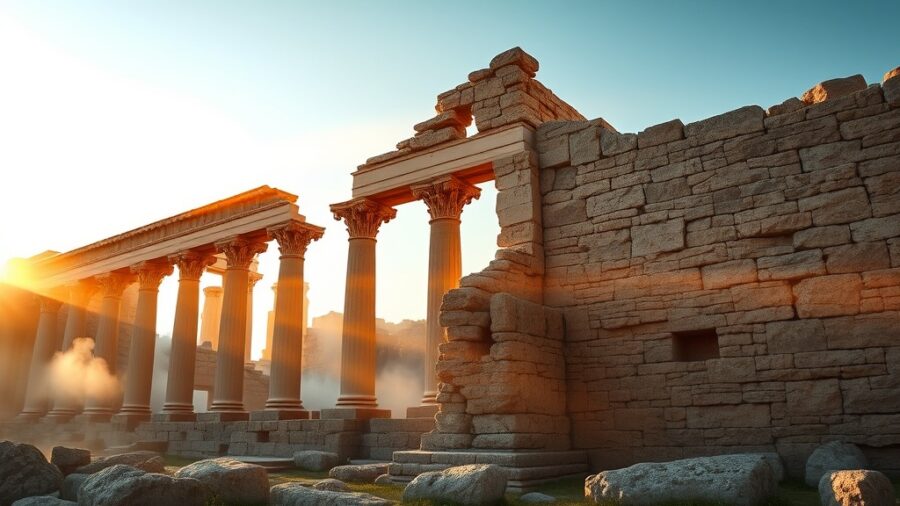
Introduction to Ancient Architecture and Its Importance
Ancient architecture is not merely a collection of old buildings; it encapsulates the cultural meaning and historical narratives of civilizations long gone. The structures built by our ancestors offer invaluable insights into their societies, beliefs, and technologies. This article delves into the cultural significance of ancient architecture, exploring how it shaped identities and influenced the modern world.
Throughout history, from the Pyramids of Giza to the Parthenon in Greece, ancient architectural marvels have stood the test of time. These edifices provide a window into the past, revealing the values, priorities, and artistic expressions of the people who built them. By understanding ancient architecture, we can better appreciate the foundations of contemporary design and urban planning.
In the following sections, we will explore the cultural significance of ancient architecture, highlight key examples of architectural wonders, and examine how these historical structures continue to influence modern design. Additionally, we will discuss the ongoing preservation efforts necessary to maintain these cultural treasures for future generations.
Cultural Significance of Ancient Architecture
Ancient architecture serves as a crucial medium for understanding the cultural fabric of societies. It embodies the values, beliefs, and social structures of the time. The architectural styles and materials used in construction reflect the available resources and technological advancements, while the layout of cities often reveals social hierarchies and religious practices.
One of the most profound aspects of ancient architecture is its ability to convey cultural identity. For instance, the Colosseum in Rome is not just a remarkable feat of engineering; it represents the grandeur of the Roman Empire and its public entertainment culture. Similarly, the Hanging Gardens of Babylon, although their existence is debated, symbolize the lush, opulent lifestyle of the Babylonian elite and their connection to nature.
Reflection of Societal Values
The design and construction of ancient structures were often deeply intertwined with the values of the society that created them. For example, the Great Wall of China serves as a testament to the importance placed on protection and defense against invasions. Built over several dynasties, this monumental structure reflects the resilience and determination of the Chinese people.
Furthermore, temples and religious buildings, such as the Temple of Karnak in Egypt, illustrate the central role of religion in daily life. These structures were not merely places of worship; they were also centerpieces of community life and represented the societal hierarchy, with pharaohs and priests holding significant power.
Architectural Styles and Cultural Identity
The diversity of architectural styles across different cultures highlights the uniqueness of each civilization. The use of columns, domes, and arches in Greek and Roman architecture contrasts sharply with the intricate carvings and vibrant colors of Indian temples. Such differences are rooted in cultural practices and environmental factors.
In addition, the Gothic architecture of medieval Europe, characterized by pointed arches and flying buttresses, signifies a departure from earlier styles and reflects the cultural shift towards spirituality and transcendence. Each style tells a story, encapsulating the essence of its era and the people who inhabited it.
Key Examples of Ancient Architectural Wonders
Throughout history, numerous architectural wonders have captivated the imagination of people worldwide. These structures not only exemplify the technological prowess of their time but also serve as enduring symbols of their respective cultures. Here, we explore some of the most significant ancient architectural feats.
The Pyramids of Giza are perhaps the most iconic representation of ancient Egyptian architecture. Constructed around 2580–2560 BC, these monumental tombs were built for Pharaoh Khufu and are a testament to the Egyptians’ engineering skills and their beliefs in the afterlife.
The Pyramids of Giza
The Great Pyramid, originally standing at 146.6 meters, was the tallest man-made structure for over 3,800 years. Its precise alignment with the cardinal points and the use of over 2 million stone blocks reflect the sophisticated understanding of mathematics and astronomy possessed by the ancient Egyptians. The pyramids symbolize not only the power of the pharaohs but also the collective effort of the workforce, comprising skilled laborers and slaves.
The Parthenon
Located on the Acropolis of Athens, the Parthenon was completed in 432 BC and is dedicated to the goddess Athena, whom the people of Athens considered their patroness. This architectural masterpiece exemplifies ancient Greek ideals of beauty and harmony through its Doric columns and intricate sculptures.
The Parthenon stands as a symbol of democracy and the cultural achievements of ancient Greece. It reflects the values of balance, proportion, and civic pride. Despite suffering damage over the centuries, ongoing restoration efforts aim to preserve its grandeur and historical significance.
Influence of Ancient Architecture on Modern Design
The impact of ancient architecture extends beyond historical appreciation; it continues to shape modern architectural practices and design principles. Many contemporary architects draw inspiration from ancient structures, incorporating classical elements into their designs. This influence is evident in both residential and civic architecture.
One notable example is the use of columns in modern public buildings. The Capitol Building in Washington, D.C., showcases a neoclassical design that pays homage to the grandeur of Roman architecture. The incorporation of domes and porticos in modern structures serves to evoke a sense of permanence and authority.
Design Principles Rooted in Antiquity
Modern architecture often relies on principles established by ancient civilizations. Concepts such as symmetry, proportion, and the use of natural light can be traced back to classical architecture. The Renaissance period marked a revival of interest in ancient Greek and Roman design, leading to the development of styles that emphasized harmony and balance.
Many contemporary architects, like Frank Lloyd Wright and Le Corbusier, integrated elements of ancient architecture into their works, creating spaces that reflect both functionality and aesthetic appeal. This blending of old and new continues to be a hallmark of innovative architectural design.
Adaptation of Materials and Techniques
The materials and construction techniques used in ancient architecture also influence modern practices. The use of stone, brick, and concrete can be traced back to ancient civilizations. Today, architects often seek sustainable materials that echo the durability and timelessness of ancient structures.
Furthermore, the techniques used in ancient construction, such as the arch and vault, have been adapted and improved upon in modern engineering. These methods allow for larger, more open spaces in contemporary buildings, enhancing both functionality and aesthetic appeal.
Preservation Efforts for Ancient Structures
As we recognize the cultural significance of ancient architecture, it becomes imperative to address the preservation and conservation of these invaluable structures. Many ancient sites face threats from environmental factors, urban development, and tourism. Effective preservation efforts are essential to ensure that these architectural wonders endure for future generations.
Organizations and governments around the world are increasingly focused on protecting ancient sites. For instance, the UNESCO World Heritage Centre plays a vital role in safeguarding cultural heritage by identifying and listing sites of outstanding universal value. Currently, there are over 1,100 sites on the World Heritage List, including the Acropolis, Stonehenge, and the Great Wall of China.
Challenges in Preservation
Despite the efforts to preserve ancient structures, numerous challenges persist. Environmental factors such as erosion, pollution, and climate change pose significant threats to the integrity of these sites. Additionally, the pressure from tourism can lead to wear and tear, necessitating careful management strategies to balance visitor access with conservation needs.
In many cases, funding for preservation projects can be limited, resulting in a reliance on volunteers and local communities to take an active role in safeguarding their cultural heritage. Collaborative efforts between governments, NGOs, and local stakeholders are crucial for the successful preservation of ancient architecture.
Successful Preservation Initiatives
Some successful preservation initiatives serve as models for future efforts. The restoration of the Colosseum in Rome is a prime example, where extensive conservation work has ensured that this ancient structure remains a symbol of the city while accommodating millions of visitors each year.
Moreover, the ongoing restoration of the Ancient City of Pompeii demonstrates the importance of archaeological conservation. This UNESCO site has undergone significant restoration efforts since its discovery in the 18th century, aiming to preserve the remains of a city frozen in time by the eruption of Mount Vesuvius in 79 AD.
Conclusion
In conclusion, ancient architecture holds profound cultural meaning that transcends time. By examining architectural wonders such as the Pyramids of Giza and the Parthenon, we gain insights into the values, beliefs, and technological advancements of past civilizations. These structures not only reflect the identities of their creators but also continue to influence modern design and architectural practices.
Preservation efforts are essential to maintain these cultural treasures, ensuring that future generations can appreciate and learn from the architectural achievements of the past. As we move forward, it is our responsibility to safeguard these historical sites and honor the stories they tell.
FAQ
What is the cultural significance of ancient architecture?
The cultural significance of ancient architecture lies in its ability to reflect the values, beliefs, and social structures of past civilizations. These structures serve as physical representations of cultural identity and provide insights into the technological advancements of the time.
What are some key examples of ancient architectural wonders?
Key examples of ancient architectural wonders include the Pyramids of Giza in Egypt, the Parthenon in Greece, the Great Wall of China, and the Colosseum in Rome. Each of these structures showcases the artistic and engineering capabilities of their respective civilizations.
How has ancient architecture influenced modern design?
Ancient architecture has greatly influenced modern design by inspiring architects to incorporate classical elements such as columns, domes, and arches into contemporary structures. Principles of symmetry and proportion established in ancient times continue to shape modern architectural practices.
What challenges do preservation efforts face?
Preservation efforts face numerous challenges, including environmental threats like erosion and climate change, urban development pressures, and the impact of tourism. Limited funding can also hinder conservation initiatives, making collaborative efforts essential.
What are some successful preservation initiatives for ancient structures?
Successful preservation initiatives include the restoration of the Colosseum in Rome and the ongoing conservation efforts at the Ancient City of Pompeii. These projects demonstrate the importance of preserving cultural heritage for future generations.
- Ancient architecture reflects cultural values and societal structures.
- Significant examples include the Pyramids of Giza and the Parthenon.
- Modern design is influenced by ancient architectural elements.
- Preservation efforts are crucial for safeguarding historical sites.
- Challenges include environmental threats and tourism pressures.
- Successful initiatives highlight the importance of collaboration in conservation.
- Understanding ancient architecture enhances our appreciation of cultural heritage.