
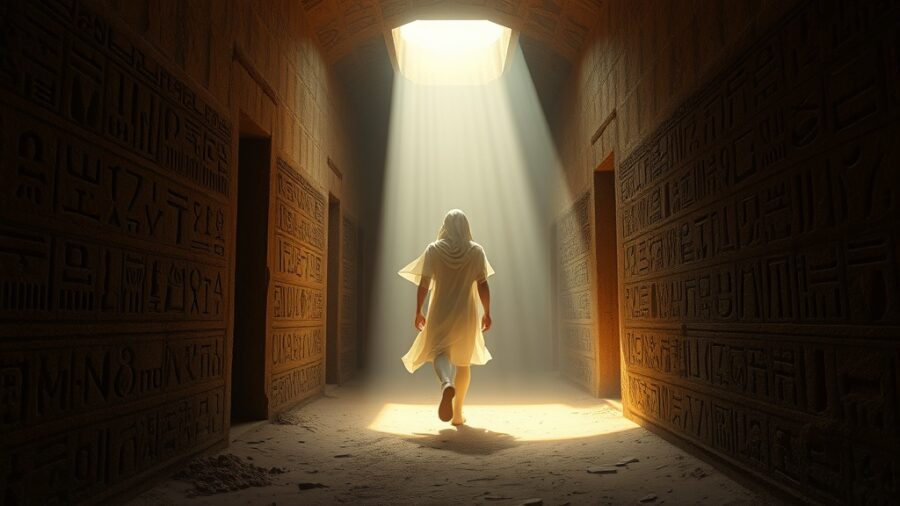
Introduction to the Egyptian Book of the Dead
The Egyptian Book of the Dead is a fascinating ancient text that has captured the imagination of scholars, historians, and the general public alike. This extensive collection of spells, prayers, and incantations was designed to guide the deceased through the perilous journey of the afterlife, ensuring a safe passage to the realm of the dead. In this article, we will delve into the significance of the Egyptian Book of the Dead, exploring its historical context, core beliefs, and the intricate rituals surrounding it.
As we embark on this exploration of the Egyptian Book of the Dead journey, we will uncover the essential components that shaped the ancient Egyptians’ understanding of life, death, and the afterlife. The text reflects their beliefs, values, and the importance they placed on the journey of the soul. By examining the various spells and deities involved, we aim to provide a comprehensive understanding of this profound aspect of Egyptian culture.
Whether you are a history enthusiast, a student of religion, or simply curious about ancient civilizations, this article promises valuable insights. We will discuss the main themes, elaborate on the key spells, and highlight the rituals that were crucial to ensuring a favorable outcome in the afterlife. Join us as we navigate through the pages of the Egyptian Book of the Dead.
The Historical Context of the Egyptian Book of the Dead
The origins of the Egyptian Book of the Dead can be traced back to the New Kingdom period of ancient Egypt, which lasted from approximately 1550 to 1070 BCE. This era was marked by a flourishing of art, culture, and spirituality, reflecting the Egyptians’ deep reverence for the afterlife. The text itself evolved from earlier mortuary texts, such as the Pyramid Texts and the Coffin Texts, which were found in royal tombs and were used to assist the deceased in their journey to the afterlife.
The compilation of the Egyptian Book of the Dead served multiple purposes. It functioned not only as a guide for the deceased but also as a reflection of the social and religious beliefs of the time. Various spells were tailored to meet the individual needs of the deceased, allowing for a personalized approach to the afterlife journey. This adaptability is one of the reasons why the Book of the Dead remained relevant throughout centuries, with different versions emerging over time.
Societal Impact and Usage
The Egyptian Book of the Dead was not limited to the elite or the wealthy; many middle-class Egyptians also had access to these texts. The spells were often inscribed on papyrus scrolls, coffin interiors, or burial chambers, ensuring that they accompanied the deceased into the afterlife. This democratization of the afterlife journey reflects the Egyptians’ belief in the universality of death and the need for guidance regardless of social status.
Key Historical Figures
Several prominent figures in ancient Egyptian history, such as Pharaoh Tutankhamun, had specific versions of the Book of the Dead included in their tombs. The texts found in Tutankhamun’s tomb, for instance, reveal insights into the rituals and beliefs of the time, with over 200 spells tailored to ensure his safe passage into the afterlife. Additionally, priests played a crucial role in interpreting and reciting these spells, becoming vital figures in the funerary processes.
Core Beliefs Surrounding the Afterlife
The ancient Egyptians held a rich tapestry of beliefs regarding the afterlife, deeply intertwined with their understanding of the universe and existence. Central to these beliefs was the notion of Ma’at, representing truth, balance, and cosmic order. The concept of Ma’at was essential to the afterlife, as it dictated the moral and ethical standards that governed one’s life on Earth and determined their fate in the afterlife.
Another key belief was that the soul consisted of multiple components, including the Ka (life force), Ba (personality), and Akhu (the transformed spirit). Upon death, these components would separate, and the journey to reunite them began. The Egyptian Book of the Dead served as a roadmap for this journey, providing spells and guidance to navigate the challenges and trials encountered along the way.
Judgment After Death
A pivotal moment in the afterlife journey was the Weighing of the Heart ceremony, where the deceased’s heart was weighed against the feather of Ma’at. If the heart was found to be lighter, the individual would be granted eternal life in the Field of Reeds, a paradise reflecting their earthly existence. Conversely, a heavier heart signified a life of wrongdoing, leading to the soul’s devouring by the monstrous Ammut, resulting in eternal oblivion.
Role of the Community
The ancient Egyptians believed that the community played a vital role in ensuring the deceased’s successful journey. Funerary rituals, offerings, and prayers were performed by family members and priests, reinforcing the bond between the living and the dead. This collective responsibility highlights the Egyptians’ view of death as a communal event, emphasizing the significance of maintaining connections with those who had passed on.
The Structure of the Egyptian Book of the Dead
The structure of the Egyptian Book of the Dead is both intricate and varied, comprising numerous spells, chapters, and illustrations. Each version of the text contains different spells tailored to the specific needs and desires of the deceased, often reflecting their personal circumstances and aspirations. The most recognized version is the one associated with the tomb of Hunefer, a scribe from the 19th dynasty, which includes over 190 spells.
Typically, the spells are organized into sections, each serving a distinct purpose in the afterlife journey. The primary sections include spells for protection, guidance, and resurrection, each designed to address specific challenges the deceased might face. The organization of these spells underscores the belief in a sequential journey through the afterlife, with clear objectives and goals at each stage.
Illustrations and Symbolism
In addition to the spells, the Egyptian Book of the Dead is richly adorned with illustrations that depict various deities, scenes of judgment, and the landscapes of the afterlife. These illustrations serve not only as decorative elements but also as vital tools for the deceased to navigate their journey. For instance, images of Osiris, the god of the afterlife, and Anubis, the god of mummification, are commonly featured, providing the deceased with divine assistance.
Variations in Texts
It is important to note that there are numerous variations of the Egyptian Book of the Dead, each reflecting regional differences and personal preferences. Some texts include additional spells or omit certain ones, depending on the individual’s social status or the specific beliefs of the time. This variability illustrates the flexibility of the text and its ability to adapt to the needs of different individuals.
Key Spells and Their Significance
Among the many spells contained in the Egyptian Book of the Dead, several stand out due to their profound significance and widespread usage. These spells were believed to hold immense power, capable of influencing the deceased’s fate in the afterlife. Understanding these key spells provides insights into the beliefs and values of ancient Egyptians.
One of the most well-known spells is the Spell 125, also known as the “Weighing of the Heart” spell. This spell outlines the process of judgment and the criteria for determining whether the soul is worthy of entering the afterlife. The recitation of this spell was essential, as it provided the deceased with the necessary affirmations to ensure a favorable judgment.
Spell for Protection
Another critical spell is the Spell for Protection, which aims to safeguard the deceased from malevolent forces encountered during their journey. This spell emphasizes the importance of divine protection, invoking various deities to shield the soul from harm. The act of reciting this spell not only provided comfort to the deceased but also reassured the living that their loved ones were protected in the afterlife.
Spells for Resurrection
Spells designed for resurrection, such as Spell 15, were crucial for enabling the deceased to rise from the dead. These spells often included declarations of power and identity, asserting the deceased’s right to eternal life. The repetition of such spells highlighted the Egyptians’ belief in rebirth and the continuity of existence beyond death.
The Journey of the Soul: Step by Step
The journey of the soul, as described in the Egyptian Book of the Dead, is a complex and multifaceted process that unfolds in several stages. Each stage presents unique challenges and trials that the deceased must overcome, with the guidance of spells and deities. Understanding this journey provides a clearer picture of the ancient Egyptians’ beliefs regarding death and the afterlife.
The first step in the journey involves the Separation of the Soul, where the Ka and Ba depart from the physical body. This separation signifies the beginning of the afterlife journey, as the deceased must navigate various obstacles to reunite their soul components. The Book of the Dead provides spells that assist the soul in this initial stage, ensuring a smooth transition.
Encountering Obstacles
As the soul progresses, it encounters various challenges, including the Hall of Two Truths, where the Weighing of the Heart takes place. Here, the deceased must answer questions regarding their life and affirm their adherence to Ma’at. This trial is crucial, as it determines the soul’s fate and whether it will be granted passage to the afterlife.
Reaching the Field of Reeds
If the soul successfully navigates the trials, it ultimately reaches the Field of Reeds, a heavenly paradise where the deceased can enjoy an eternal existence. This final destination reflects the individual’s earthly life, allowing them to engage in activities they enjoyed while alive. The journey culminates in a reunion of the Ka and Ba, achieving the state of Akhu, or transformed spirit, signifying the completion of the afterlife journey.
The Role of Deities in the Afterlife
Deities play a pivotal role in the Egyptian Book of the Dead, serving as guides, protectors, and judges of the deceased during their afterlife journey. The pantheon of gods and goddesses in ancient Egypt was vast, each fulfilling specific functions and embodying various aspects of existence. Understanding their roles helps elucidate the intricate relationship between the divine and the deceased.
One of the most significant deities associated with the afterlife is Osiris, the god of resurrection and the afterlife. Osiris is often depicted as a mummified king, symbolizing death and rebirth. He presides over the judgment of souls, offering them the promise of eternal life if they adhere to the principles of Ma’at. The reverence for Osiris is evident in the numerous spells and prayers dedicated to him within the Book of the Dead.
Anubis: The Guardian of the Dead
Anubis, the jackal-headed god, serves as the guardian of the dead and the deity responsible for mummification. Anubis escorts the soul through the afterlife, providing protection and guidance. His presence is crucial during the Weighing of the Heart ceremony, where he oversees the process and ensures that the judgment is fair. Anubis’s role underscores the importance of proper burial and preservation of the body in Egyptian beliefs.
The Influence of Other Deities
Other deities, such as Horus, the sky god, and Thoth, the god of wisdom and writing, also play essential roles in the afterlife narrative. Horus is often associated with the protection of the king and the deceased, while Thoth is credited with recording the results of the judgment. These deities collectively contribute to the rich tapestry of beliefs surrounding the afterlife, emphasizing the interconnectedness of spiritual beings and the journey of the soul.
Importance of Rituals and Offerings
Rituals and offerings were integral elements of the ancient Egyptians’ approach to death and the afterlife. These practices served as a means of honoring the deceased, ensuring their comfort in the afterlife, and maintaining a connection between the living and the dead. The rituals were deeply rooted in belief systems and were often performed by family members and priests.
One of the most significant rituals was the Opening of the Mouth ceremony, which aimed to restore the deceased’s senses and abilities in the afterlife. This ritual involved a series of symbolic acts performed by priests, allowing the deceased to eat, speak, and see in the afterlife. The performance of this ceremony was believed to empower the deceased, ensuring they could partake in the pleasures of the Field of Reeds.
Offerings to the Deceased
Offerings played a crucial role in the rituals surrounding the Egyptian Book of the Dead. Family members would present food, drinks, and valuable items at the tomb to sustain the deceased in their journey. These offerings were often accompanied by prayers and spells, reinforcing the belief that the deceased would require sustenance in the afterlife. The act of providing offerings exemplified the ongoing relationship between the living and the dead.
Seasonal Festivals and Commemorations
In addition to daily offerings, seasonal festivals were held to honor the deceased, particularly during the Feast of the Valley. This festival involved family gatherings at the tombs of their ancestors, where they would celebrate the lives of the departed through music, food, and rituals. Such events emphasized the continuity of relationships beyond death and the importance of remembering and honoring those who had passed.
Comparative Analysis: Egyptian Afterlife vs. Other Cultures
When comparing the Egyptian Book of the Dead journey with the afterlife beliefs of other cultures, striking similarities and differences emerge. Many ancient civilizations held beliefs in an afterlife, yet the specifics of their journeys and rituals varied significantly. Understanding these differences helps contextualize the unique aspects of Egyptian beliefs.
For instance, in ancient Mesopotamia, the afterlife was often viewed as a gloomy existence in the underworld, ruled by the goddess Ereshkigal. Unlike the positive portrayal of the Field of Reeds in Egyptian beliefs, Mesopotamian views were less optimistic, often reflecting a more fatalistic perspective on death. This stark contrast highlights the Egyptians’ unique focus on the possibility of resurrection and eternal life.
Similarities with Other Ancient Cultures
Despite these differences, many cultures shared common themes, such as the significance of rituals and the presence of deities overseeing the afterlife. For example, the ancient Greeks believed in the realms of Hades, where the souls would journey after death. Like the Egyptians, they also had rituals and offerings intended to appease the gods and ensure a favorable afterlife.
Modern Perspectives
In contemporary discussions about the afterlife, the Egyptian Book of the Dead continues to resonate with various spiritual beliefs. Many modern religions incorporate ideas of judgment, resurrection, and the importance of living a virtuous life. The enduring legacy of the Egyptian approach to the afterlife can be seen in how diverse cultures navigate concepts of mortality and existence beyond death.
Conclusion
The Egyptian Book of the Dead journey represents a profound aspect of ancient Egyptian civilization, encapsulating their beliefs, values, and understanding of the afterlife. Through spells, rituals, and the guidance of deities, the ancient Egyptians crafted a comprehensive framework for navigating the complexities of death and the journey beyond. The significance of this text extends beyond its historical context, offering insights into the universal human quest for meaning and connection with the divine.
As we have explored, the Egyptian Book of the Dead is not merely a collection of spells; it is a testament to the rich spiritual and cultural heritage of ancient Egypt. The rituals and beliefs surrounding this journey continue to inspire and intrigue, reminding us of the enduring nature of humanity’s relationship with death and the afterlife. Understanding these elements allows us to appreciate the depth and complexity of one of history’s most fascinating civilizations.
FAQ about the Egyptian Book of the Dead Journey
What is the Egyptian Book of the Dead?
The Egyptian Book of the Dead is an ancient funerary text composed of spells, prayers, and incantations designed to assist the deceased in navigating the afterlife. It served as a guide, ensuring a safe passage and favorable judgment in the afterlife.
How did the ancient Egyptians view the afterlife?
Ancient Egyptians believed in a positive afterlife, where the deceased could enjoy eternal life in the Field of Reeds. This belief was contingent upon living a virtuous life and adhering to the principles of Ma’at.
What is the significance of the Weighing of the Heart ceremony?
The Weighing of the Heart ceremony was a crucial moment where the deceased’s heart was weighed against the feather of Ma’at to determine their worthiness for the afterlife. A lighter heart signified a virtuous life, granting passage to the afterlife.
What role did rituals play in the afterlife journey?
Rituals were essential in honoring the deceased and ensuring their comfort in the afterlife. Offerings and ceremonial acts, such as the Opening of the Mouth, were performed to empower the deceased and maintain a connection with the living.
How does the Egyptian afterlife compare to other cultures?
While many cultures believed in an afterlife, the Egyptian perspective focused on resurrection and a positive existence in the afterlife. In contrast, other cultures, such as the Mesopotamians, often viewed the afterlife as a more bleak experience, highlighting a significant difference in beliefs.
Recap of Key Points
- The Egyptian Book of the Dead serves as a guide for the deceased in the afterlife.
- Core beliefs centered around Ma’at and the judgment of the soul.
- The text is structured into spells designed for protection, guidance, and resurrection.
- Deities like Osiris and Anubis play vital roles in the afterlife journey.
- Rituals and offerings are crucial for honoring the deceased and ensuring their comfort.
- The journey of the soul involves several stages, culminating in the Field of Reeds.
- Comparative analysis reveals both unique and shared afterlife beliefs across cultures.
- The Egyptian Book of the Dead continues to resonate within modern spiritual discussions.