
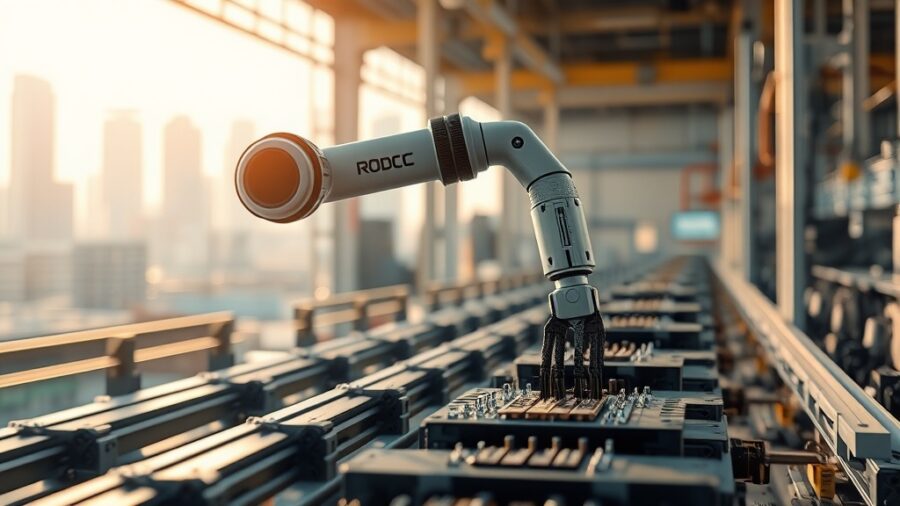
Future of the Robotics Automation Industry: An In-Depth Exploration
The robotics automation industry future holds significant promise and transformative potential across various sectors. As businesses increasingly adopt automation technologies, understanding the trajectory of this industry becomes essential for stakeholders, including entrepreneurs, investors, and employees. This article delves into the nuances of robotics automation, exploring current trends, technological innovations, and their implications on employment and the economy.
From manufacturing to healthcare, the applications of robotics are expanding rapidly. The convergence of artificial intelligence (AI), machine learning, and advanced robotics is reshaping how tasks are performed, enhancing efficiency and precision. By examining the current landscape and future predictions, readers will gain insights into how they can adapt to and thrive in an evolving market.
Additionally, the challenges facing the robotics automation industry will be highlighted, providing a comprehensive view of not only the benefits but also the hurdles that must be overcome. This article will culminate in a FAQ section addressing common queries related to the robotics automation industry, ensuring a well-rounded understanding of this dynamic field.
Introduction to the Robotics Automation Industry
Defining Robotics Automation
Robotics automation involves the use of robots and automated systems to perform tasks traditionally executed by humans. This sector encompasses a range of technologies, including industrial robots, collaborative robots (cobots), and autonomous systems. As of 2023, the global robotics market is projected to reach approximately $150 billion, highlighting the growing relevance of this field.
Historical Context and Evolution
The origins of robotics can be traced back to the early 20th century, but the technology gained momentum in the 1960s with the introduction of industrial robots. Initially restricted to manufacturing environments, robotics has since evolved into various industries, including agriculture, healthcare, and logistics. Key milestones, such as the introduction of the first programmable robot, Unimate, in 1961, paved the way for subsequent innovations and widespread adoption.
Current Trends in Robotics Automation
Integration of AI and Machine Learning
Artificial intelligence and machine learning are increasingly integrated into robotics systems, enabling them to perform complex tasks with enhanced decision-making capabilities. For instance, AI-driven robots can analyze vast amounts of data in real-time, allowing them to adapt to changing environments and user demands.
Growth in Collaborative Robots
The rise of collaborative robots, or cobots, signifies a shift towards more flexible automation solutions. Cobots are designed to work alongside human operators, enhancing productivity while ensuring safety. In 2022 alone, the cobot market experienced a growth rate of 25%, indicating a strong demand for these versatile machines in various sectors.
- Increased efficiency in production lines
- Enhanced safety measures in workplaces
- Cost-effective solutions for small and medium enterprises
Technological Innovations Driving the Future
Advancements in Sensor Technology
Sensor technology is at the forefront of robotics innovation, enabling machines to perceive their environment more accurately. The development of advanced sensors, such as LiDAR and vision systems, has allowed robots to navigate complex spaces and perform intricate tasks. This progress is crucial for applications in autonomous vehicles and smart manufacturing.
Robotics in Healthcare
Healthcare is witnessing a revolution due to robotics automation. Surgical robots, such as the da Vinci Surgical System, have transformed minimally invasive procedures, leading to quicker recovery times and reduced complications. The global surgical robotics market is anticipated to reach $24 billion by 2025, underscoring the sector’s significant impact.
Impact of Robotics Automation on Employment
Job Displacement Concerns
One of the most pressing concerns regarding the rise of robotics automation is job displacement. As machines take over repetitive tasks, there is a fear that many jobs will become obsolete. A report by the World Economic Forum estimates that 85 million jobs may be displaced by 2025 due to automation.
Emergence of New Job Opportunities
Conversely, the robotics automation industry is also generating new job opportunities. Roles in robot programming, maintenance, and oversight are becoming increasingly relevant. According to the same World Economic Forum report, approximately 97 million new roles may emerge that focus on human-machine collaboration, highlighting the need for workforce adaptation.
| Impact of Robotics Automation | Job Displacement | New Job Opportunities |
|---|---|---|
| Manufacturing | Loss of assembly line jobs | Robot technicians and programmers |
| Healthcare | Reduction in manual labor | Surgical robot operators |
| Logistics | Warehouse job losses | Automation system managers |
Challenges Facing the Robotics Automation Industry
High Costs of Implementation
Despite its advantages, the high initial costs of robotics implementation remain a significant barrier for many companies. Small and medium-sized enterprises (SMEs) often struggle to invest in advanced robotics technologies, limiting their competitiveness. The average cost of industrial robots can range from $25,000 to over $400,000, depending on the complexity and functionality.
Regulatory and Ethical Considerations
The rapid advancement of robotics automation raises important regulatory and ethical questions. Issues such as data privacy, liability in case of accidents, and the ethical use of autonomous systems need to be addressed to ensure public trust and safety. Policymakers are faced with the challenge of creating frameworks that encourage innovation while protecting society.
Future Predictions for Robotics Automation
Increased Adoption Across Industries
Looking ahead, the adoption of robotics automation is expected to increase across various industries. By 2030, it is projected that 70% of manufacturing companies will utilize some form of automation technology. This widespread adoption will be driven by the need for greater efficiency and cost savings.
Development of Fully Autonomous Systems
The future will likely see the emergence of fully autonomous systems capable of performing complex tasks without human intervention. Innovations in AI and machine learning will play a crucial role in achieving this goal, enabling robots to learn and adapt to new environments. This shift could revolutionize industries like logistics, where autonomous delivery systems may become commonplace.
Conclusion
The future of the robotics automation industry presents both exciting opportunities and significant challenges. As technologies continue to evolve, businesses must navigate the complexities of implementation, workforce adaptation, and regulatory compliance. Understanding current trends and technological innovations is essential for stakeholders to position themselves advantageously in this dynamic market.
Moreover, while concerns regarding job displacement are valid, the emergence of new roles and the potential for enhanced productivity can lead to positive outcomes for the workforce. As we move forward, embracing robotics automation will be critical for maintaining competitiveness in an increasingly automated world.
FAQ about Robotics Automation
What is robotics automation?
Robotics automation refers to the use of robots and automated systems to perform tasks traditionally carried out by humans. This technology enhances efficiency, precision, and productivity across various industries.
How does robotics automation impact jobs?
While robotics automation can lead to job displacement, it also creates new opportunities in areas such as robot programming, maintenance, and oversight. The workforce will need to adapt to these changes to remain relevant.
What are the current trends in the robotics automation industry?
Key trends include the integration of AI and machine learning, the growth of collaborative robots (cobots), and advancements in sensor technology. These developments enhance the capabilities and applications of robotics automation.
What challenges does the robotics automation industry face?
Challenges include high implementation costs, regulatory and ethical considerations, and the need for workforce training. Addressing these issues is crucial for the sustainable growth of the industry.
What is the future outlook for robotics automation?
The future of robotics automation is promising, with increased adoption across industries and the development of fully autonomous systems. By 2030, a significant portion of manufacturing companies is expected to utilize automation technologies.
- Robotics automation enhances efficiency and productivity.
- AI integration is transforming capabilities.
- Job displacement concerns are countered by new opportunities.
- High implementation costs pose challenges for SMEs.
- Ethical considerations are crucial for public trust.
- Future developments include fully autonomous systems.
- Regulatory frameworks need to evolve alongside technology.
- Continued innovation will shape the industry landscape.