
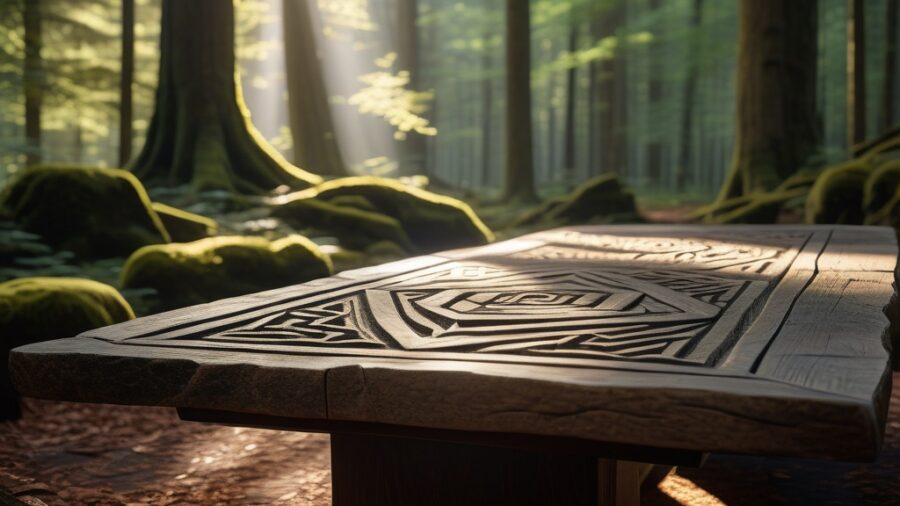
Introduction to Norse Runes
Norse runes are more than just letters; they carry profound magical meanings that have fascinated scholars and enthusiasts for centuries. Originating from the Germanic tribes, these symbols served not only as an alphabet but also as a means to convey mystical and spiritual concepts. In this article, we will delve into the intricate world of Norse runes, exploring their historical context, individual meanings, and their applications in modern practices.
As we unravel the secrets behind these ancient symbols, you will discover how each rune possesses unique powers and insights that can be harnessed for personal growth and divination. From the robust energy of the Futhark to the significance of each character, you will gain a comprehensive understanding of how Norse runes can influence our lives today.
Join us on this journey to explore the magical meaning of Norse runes, their relevance in Viking society, and how they can be integrated into contemporary spiritual practices. Whether you are a beginner or an experienced practitioner, this guide aims to enrich your knowledge and appreciation of these powerful symbols.
The Historical Context of Norse Runes
The Origins of Norse Runes
Norse runes date back to around 150 AD, originating in the northern regions of Europe. The earliest runic inscriptions were discovered in what is now modern-day Denmark, Sweden, and Norway. These inscriptions were carved into wood, stone, and metal, primarily for memorial and commemorative purposes. The runic alphabet, known as Futhark, consists of 24 characters, each representing specific sounds and meanings.
The development of runes is believed to have been influenced by the Latin alphabet, which the Germanic tribes encountered through Roman contact. However, runes were not merely a borrowing of letters; they were imbued with their own cultural significance and magical properties. This unique blend of linguistic and mystical elements distinguishes Norse runes from other alphabets.
Cultural Significance in Viking Society
Norse runes played a vital role in the daily lives of the Vikings. They were used for various purposes, including communication, trade, and rituals. Each rune was thought to embody specific energies, and their usage extended beyond mere writing. Runes were often inscribed on weapons, tools, and jewelry to invoke protection, luck, and strength.
Furthermore, runes were integral to the spiritual practices of the Norse people. They were employed in rituals to connect with the divine and to seek guidance from the gods. The Vikings believed that the runes held the power to influence fate, making them essential tools for any practitioner of magic or divination.
- Origins in Northern Europe around 150 AD
- Influence of the Latin alphabet on runic development
- Usage in daily life, trade, and rituals
- Connection with the divine and fate manipulation
Understanding the Magical Meaning of Each Rune
The First Six Runes of the Futhark
The first six runes of the Futhark are Fehu, Uruz, Thurisaz, Ansuz, Raido, and Kano. Each of these symbols carries distinct meanings and energies that practitioners can harness.
Fehu represents wealth and prosperity, often associated with cattle, which were a measure of wealth in ancient times. Uruz symbolizes strength and health, embodying the power of the aurochs, a wild ox. Thurisaz is known for its protective qualities, often linked to Thor, the god of thunder, while Ansuz relates to communication and wisdom, representing the divine inspiration of the gods.
Raido signifies travel and movement, both physically and spiritually, and Kano represents illumination and clarity, shedding light on hidden truths.
The Next Six Runes: From Gebo to Laguz
The next set of runes includes Gebo, Wunjo, Hagalaz, Naudhiz, Isa, and Jera. Gebo symbolizes partnership and generosity, emphasizing the importance of relationships in achieving balance. Wunjo embodies joy and harmony, often representing the fulfillment of wishes.
Hagalaz is associated with disruption and transformation, reminding practitioners that change is a natural part of life. Naudhiz stands for necessity and survival, often invoked in times of hardship. Isa symbolizes stillness and introspection, encouraging a pause for reflection, while Jera represents the cycles of life, harvest, and reward for hard work.
| Rune | Meaning | Associations |
|---|---|---|
| Fehu | Wealth and prosperity | Cattle, abundance |
| Uruz | Strength and health | Aurochs, vitality |
| Thurisaz | Protection | Thor, defensive power |
| Ansuz | Communication and wisdom | Divine inspiration |
| Raido | Travel and movement | Journeys, transitions |
| Kano | Illumination and clarity | Truth, insight |
How to Use Norse Runes in Modern Practices
Creating a Rune Set
To incorporate Norse runes into your practice, the first step is to create your own rune set. This can be done using various materials, such as wood, stone, or clay. Each rune should be crafted with intention, allowing you to connect with the energy of the symbols. Many practitioners also choose to engrave or paint the runes with specific colors that resonate with their meanings.
Once your rune set is complete, it is essential to cleanse and charge the runes before use. This can be done through various methods, including smudging with sage, placing them under moonlight, or using sound vibrations from a singing bowl. Cleansing the runes helps to remove any unwanted energies and prepares them for your personal use.
Incorporating Runes into Daily Rituals
Runes can be integrated into daily rituals to enhance spiritual practices. One common method is using runes for divination, which involves casting the runes to gain insights into specific questions or situations. This practice can be performed by drawing a rune from a bag or casting several runes to create a spread that reveals deeper meanings.
Additionally, you can use runes to set intentions for your day. Choose a rune that resonates with your goals, meditate on its meaning, and visualize its energy guiding you throughout your daily activities. This practice helps to align your actions with your intentions and harness the rune’s power effectively.
Norse Runes in Divination
Understanding Rune Casting
Rune casting is a popular method of divination in which practitioners seek answers or guidance from the runes. There are various techniques for casting runes, but one of the most common involves creating a spread. The spread can be as simple as drawing a single rune or as complex as laying out several runes in a specific pattern.
In a basic three-rune spread, the first rune typically represents the past, the second the present, and the third the future. Each rune is interpreted based on its position and the context of the question posed. This method allows for a comprehensive understanding of the situation and offers insights into potential outcomes.
Interpreting Rune Meanings in Readings
Interpreting rune meanings during a reading requires a deep understanding of each rune’s symbolism and how they interact with one another. For instance, if the rune Thurisaz appears in a reading about a conflict, it may indicate the need for protection or a warning of impending challenges. Conversely, if Wunjo appears, it could signify resolution and harmony emerging from the situation.
Practitioners often rely on their intuition as well, allowing personal insights to guide their interpretations. This blend of knowledge and intuition enables a more profound connection to the runes and their messages.
- Creating a personalized rune set from various materials
- Cleansing and charging runes for effective use
- Incorporating runes into daily rituals for intention setting
- Understanding the basics of rune casting for divination
The Role of Runes in Viking Society
Runes as Tools for Communication
In Viking society, runes served as essential tools for communication. They were used in inscriptions on stones, weapons, and everyday objects. These inscriptions often conveyed messages of ownership, commemoration, or warnings. The ability to write and read runes was a valued skill, often associated with power and status within the community.
Runes were also utilized in magical contexts, where they were inscribed on objects to imbue them with specific qualities. For example, a warrior might etch runes onto their sword to invoke strength or protection in battle. This practice highlights the intersection of language and magic in Viking culture.
Runes in Spiritual and Religious Practices
Runes held significant importance in the spiritual practices of the Vikings. They were often used in rituals to honor the gods, invoke blessings, and seek guidance. The Norse believed that the runes were a gift from the god Odin, who sacrificed himself to gain knowledge of them. This mythological connection further emphasizes the sacred nature of runes.
Rituals involving runes could include offerings, sacrifices, or chanting, all aimed at establishing a connection with the divine. The use of runes in these practices demonstrates their role as not only a means of communication but also as conduits for spiritual energy.
Comparative Analysis: Norse Runes vs. Other Ancient Scripts
Similarities with Other Writing Systems
When comparing Norse runes to other ancient scripts, such as the Egyptian hieroglyphs or the Phoenician alphabet, several similarities emerge. Like runes, hieroglyphs were often imbued with symbolic meanings that went beyond their phonetic values. Each symbol in both systems conveyed a deeper spiritual or cultural significance, suggesting a common understanding of writing as a tool for both communication and magic.
Furthermore, both Norse runes and other ancient scripts were used in religious contexts, often inscribed in temples, tombs, or sacred objects. This shared use highlights the universal human inclination to connect language with spirituality.
Differences in Usage and Interpretation
Despite these similarities, notable differences exist in how Norse runes were utilized compared to other scripts. For instance, while hieroglyphs are primarily pictorial and represent complex ideas, runes are phonetic, representing sounds and letters. This phonetic nature allows for more straightforward applications in daily communication.
Additionally, the interpretative methods of Norse runes in divination differ significantly from other cultures. While many ancient scripts served primarily for record-keeping, runes were intimately tied to the spiritual beliefs of the Norse, making their interpretation a dynamic and intuitive process.
| Script | Nature | Primary Use | Spiritual Significance |
|---|---|---|---|
| Norse Runes | Phonetic | Communication, magic | Strong connection to the divine |
| Egyptian Hieroglyphs | Pictorial | Religious, ceremonial | Symbolic of the afterlife |
| Phoenician Alphabet | Phonetic | Trade, communication | Minimal spiritual ties |
Conclusion
In conclusion, Norse runes are a fascinating blend of language and magic, deeply rooted in the cultural and spiritual practices of the Vikings. Understanding their historical context, individual meanings, and applications allows us to appreciate their significance in both ancient and modern times. As we have explored, each rune possesses unique powers that can be harnessed for personal growth, divination, and spiritual connection.
Whether through creating your own rune set, incorporating them into daily rituals, or exploring their role in Viking society, Norse runes offer a rich tapestry of knowledge and insight. As you embark on your journey with these ancient symbols, may you find empowerment and clarity in their magical meanings.
Frequently Asked Questions
What are Norse runes?
Norse runes are characters from the runic alphabet used by ancient Germanic tribes. They serve as both a writing system and symbols imbued with magical meanings. The most well-known runic system is the Elder Futhark, consisting of 24 runes.
How can I use Norse runes in divination?
To use Norse runes in divination, you can cast them to seek insights about a question or situation. Common methods include drawing a rune from a bag or laying out multiple runes in a specific spread to interpret their meanings.
Are Norse runes still relevant today?
Yes, Norse runes remain relevant today in various spiritual practices and modern witchcraft. Many practitioners use them for personal growth, meditation, and creating connections with the divine.
Can anyone learn to read and interpret runes?
Absolutely! Learning to read and interpret runes is accessible to anyone interested. With practice and study, individuals can develop their intuition and understanding of each rune’s meanings and applications.
What materials can I use to create my own rune set?
You can create your own rune set using various materials such as wood, stone, clay, or even paper. The key is to choose materials that resonate with you and to infuse them with your intentions during the creation process.
Recap
- Norse runes originated around 150 AD in Northern Europe.
- The Futhark consists of 24 characters, each with unique meanings.
- Runes were used for communication, trade, and spiritual rituals.
- Modern practices include creating rune sets and using them in daily rituals.
- Rune casting is a popular method for gaining insights through divination.
- Runes hold significant cultural and spiritual importance in Viking society.
- Comparative analysis reveals both similarities and differences with other ancient scripts.
- Anyone can learn to read and interpret runes, making them accessible for personal exploration.