
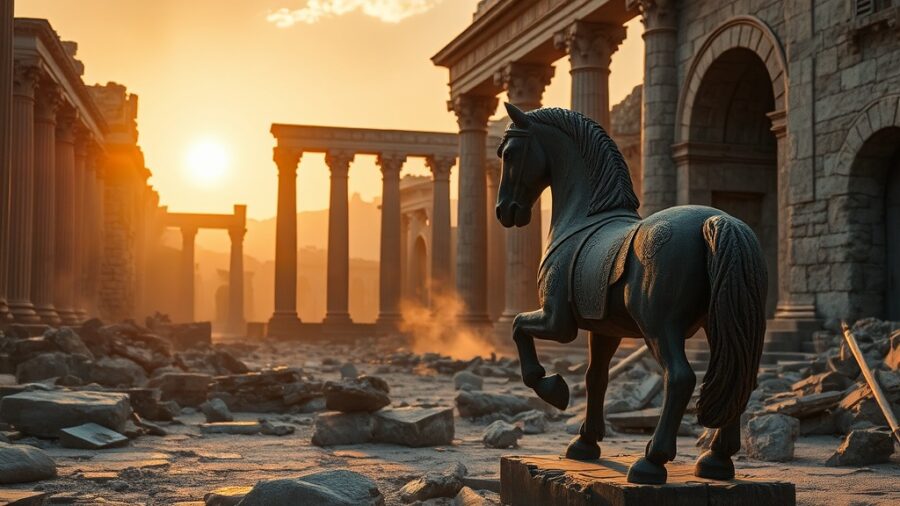
Understanding the Trojan War Mythology Legacy
The Trojan War, a monumental event in ancient Greek mythology, has left an indelible legacy that continues to captivate scholars and enthusiasts alike. This conflict, which pitted the Greeks against the city of Troy, is not merely a tale of war; it embodies complex themes of honor, betrayal, and the capricious nature of the gods. In exploring the Trojan War mythology legacy, readers will uncover the rich tapestry of characters, events, and cultural impacts that have emerged from this epic saga.
In this article, we will delve into the mythological roots of the Trojan War, examining the key figures involved, the timeline of events, and the literary adaptations that have immortalized these stories. We will also investigate how modern media continues to reinterpret this ancient conflict and discuss the cultural implications that resonate through time. By the end, readers will gain a comprehensive understanding of why the Trojan War remains a significant subject of study and fascination.
As we embark on this journey through the annals of myth and history, we will encounter legendary heroes like Achilles and Hector, explore the divine interventions of gods and goddesses, and witness the profound lessons that can be gleaned from such a tumultuous saga. The legacy of the Trojan War is not confined to the pages of ancient texts; it lives on in contemporary narratives, shaping our understanding of heroism, loyalty, and the human condition.
Introduction to the Trojan War and its Mythological Roots
The Origins of the Conflict
The origins of the Trojan War are deeply intertwined with Greek mythology, rooted in a tale of beauty and divine jealousy. According to legend, the war began with the infamous Judgment of Paris, where Paris, a Trojan prince, was asked to choose the fairest goddess among Hera, Athena, and Aphrodite. Each goddess offered him a bribe, but it was Aphrodite’s promise of the love of the most beautiful mortal, Helen, that swayed his decision. Helen, however, was already married to Menelaus, the king of Sparta. This fateful choice ignited a series of events that would lead to the legendary siege of Troy.
The Role of the Gods
The gods play a crucial role in the Trojan War, intervening in human affairs and influencing the outcomes of battles. Their motivations often reflect human traits, including jealousy, love, and vengeance. For instance, Athena and Hera supported the Greeks, while Aphrodite championed the Trojans. This divine rivalry not only escalated the conflict but also underscored the belief that the fates of mortals were often at the mercy of the gods. The interplay between divine intervention and human action is a recurring theme throughout the war’s narrative, highlighting the complexities of fate and free will.
The Key Figures of the Trojan War: Heroes and Deities
Heroic Figures of the Greeks
The Trojan War is renowned for its array of heroic figures, each embodying different ideals of heroism and valor. Achilles, the greatest Greek warrior, is perhaps the most iconic character. His near invulnerability, save for his heel, symbolizes the duality of strength and vulnerability. Achilles’ wrath and eventual redemption are central to the narrative, providing a lens through which to examine themes of honor and mortality.
Another prominent hero is Odysseus, known for his cunning and intelligence. His strategic mind allows him to devise the infamous Trojan Horse plan, leading to Troy’s downfall. The contrast between Achilles’ brute strength and Odysseus’ wit highlights the multifaceted nature of heroism in Greek culture.
Trojan Leaders and Their Valor
On the Trojan side, figures like Hector stand out as embodiments of nobility and courage. As the prince of Troy and its foremost defender, Hector’s character is marked by a sense of duty to his family and city. His tragic fate, culminating in a duel with Achilles, represents the inevitability of loss in war. Additionally, Priam, the king of Troy, showcases the human cost of conflict, as he grapples with the loss of his sons and the impending doom of his city.
Major Events of the Trojan War: A Timeline of Conflict
Chronology of Key Battles
The timeline of the Trojan War is marked by significant events that shaped its course. The war is traditionally believed to have lasted for ten years, with major battles occurring throughout. The initial skirmishes, including the abduction of Helen, set the stage for a prolonged siege. Key moments include:
- The Siege of Troy: The Greeks besieged the city for ten years, employing various strategies to breach its formidable walls.
- The Duel of Paris and Menelaus: A pivotal moment that showcased the personal stakes of the war, leading to a temporary truce.
- The Death of Patroclus: Achilles’ closest friend, Patroclus, is killed by Hector, igniting Achilles’ wrath and leading to his return to battle.
- The Fall of Troy: The Greeks ultimately enter the city through the Trojan Horse, a cunning ruse that leads to Troy’s destruction.
Impactful Events and Their Consequences
Each event in the Trojan War carries profound consequences, not only for the characters involved but also for the broader narrative of Greek mythology. The death of Achilles marks a turning point in the war, symbolizing the fragility of even the mightiest heroes. The eventual fall of Troy signifies not just a military victory but also a tragic end to an era, with lasting repercussions for both victors and vanquished.
Literary Adaptations: How the Trojan War Shaped Literature
Epic Poetry and Its Influence
The Trojan War has inspired countless literary works, with epic poetry serving as the primary medium for its retelling. The “Iliad”, attributed to Homer, is perhaps the most significant of these texts. Composed in the 8th century BCE, it chronicles the events of the war, focusing on the themes of rage, honor, and the human condition. Homer’s portrayal of characters such as Achilles and Hector has shaped literary archetypes that persist to this day.
The “Aeneid”, written by Virgil in the 1st century BCE, offers a Roman perspective on the war, focusing on the aftermath and the heroism of Aeneas as he flees Troy to found a new city. This work not only adapts the Greek narrative but also integrates Roman values, further expanding the legacy of the Trojan War in literature.
Modern Interpretations and Reimaginings
In contemporary literature, the Trojan War continues to inspire authors across genres. Works like “The Song of Achilles” by Madeline Miller provide a fresh perspective on the myth, exploring the relationship between Achilles and Patroclus. Additionally, modern novels often reinterpret the war from various viewpoints, offering insights into the experiences of women and lesser-known characters, thereby enriching the mythological narrative.
The Trojan War in Modern Media: Films, Books, and More
Film Adaptations and Their Cultural Impact
The legacy of the Trojan War has also found its way into modern cinema, with films like “Troy” (2004) bringing the ancient story to a contemporary audience. While these adaptations often take creative liberties, they serve to reignite interest in the mythology and its characters. The film’s portrayal of epic battles and personal conflicts resonates with viewers, emphasizing the timeless nature of the themes present in the original narratives.
Television and Video Games: Expanding the Narrative
Television series and video games have further expanded the reach of Trojan War mythology. Shows like “The Odyssey” and video games such as “God of War” incorporate elements of the Trojan War into their plots, allowing audiences to engage with the mythology in interactive and immersive ways. These adaptations not only entertain but also educate audiences about the rich history and themes of the Trojan War, ensuring its relevance in modern culture.
The Cultural Legacy of the Trojan War: Lessons and Influences
Thematic Lessons from the Mythology
The Trojan War offers profound lessons that remain relevant today. Themes of betrayal, honor, and the consequences of pride are woven into the fabric of the narrative. The war serves as a cautionary tale about the futility of conflict and the devastating impact of vengeance, illustrating how personal grievances can escalate into widespread devastation.
Influence on Modern Thought and Philosophy
The legacy of the Trojan War extends beyond literature and media; it has also influenced modern philosophy and ethical discourse. Thinkers like Friedrich Nietzsche and Sigmund Freud have drawn parallels between the war’s themes and contemporary human behavior, exploring concepts of desire, power, and morality. The ongoing relevance of these discussions underscores the war’s lasting impact on human thought.
Conclusion: The Lasting Impact of Trojan War Mythology
The Trojan War mythology legacy is a rich tapestry that continues to inspire and inform various aspects of culture, literature, and philosophy. From its mythological roots in ancient Greece to its modern adaptations, the stories of heroism, tragedy, and divine intervention resonate deeply within the human experience. The enduring fascination with characters like Achilles and Hector, as well as the timeless themes of love, loss, and honor, ensure that the Trojan War remains a vital part of our cultural consciousness.
As we reflect on the lessons learned from this ancient conflict, it becomes evident that the Trojan War is more than just a historical event; it is a mirror reflecting the complexities of human nature and the timeless struggles we face. The mythology surrounding the Trojan War serves as a reminder of the power of storytelling to convey deep truths about our existence, urging us to consider the consequences of our actions and the legacies we leave behind.
FAQ: Common Questions about Trojan War Mythology
What was the reason for the Trojan War?
The Trojan War was primarily triggered by the abduction of Helen, the wife of Menelaus, by Paris, a prince of Troy. This act of betrayal led to a coalition of Greek city-states, who sought to retrieve Helen and restore honor, thus igniting the conflict.
Who were the main heroes of the Trojan War?
Key heroes of the Trojan War included Achilles, the greatest Greek warrior; Hector, the noble Trojan prince; and Odysseus, known for his cunning and strategic mind. Each played a pivotal role in the events of the war, embodying different ideals of heroism.
How long did the Trojan War last?
The Trojan War is traditionally said to have lasted for ten years, during which numerous battles and significant events unfolded, ultimately culminating in the fall of Troy.
What is the significance of the Trojan Horse?
The Trojan Horse is a symbol of cunning and deceit, representing how the Greeks used intelligence to overcome the fortified city of Troy. The ruse allowed Greek soldiers to enter the city undetected, leading to its eventual downfall.
How has the Trojan War influenced modern culture?
The Trojan War has profoundly influenced literature, film, and even philosophical thought. Its themes of honor, betrayal, and the human condition continue to resonate, inspiring countless adaptations and discussions in contemporary culture.
- The Trojan War began with the Judgment of Paris.
- Key figures include Achilles, Hector, and Odysseus.
- The conflict lasted for ten years, featuring significant battles.
- The Trojan Horse symbolizes cunning strategy in warfare.
- The war has influenced literature and media across centuries.
- Lessons from the war include themes of honor, betrayal, and loss.
- The legacy of the Trojan War continues to resonate today.
- Modern interpretations expand on the original myths, enriching the narrative.