
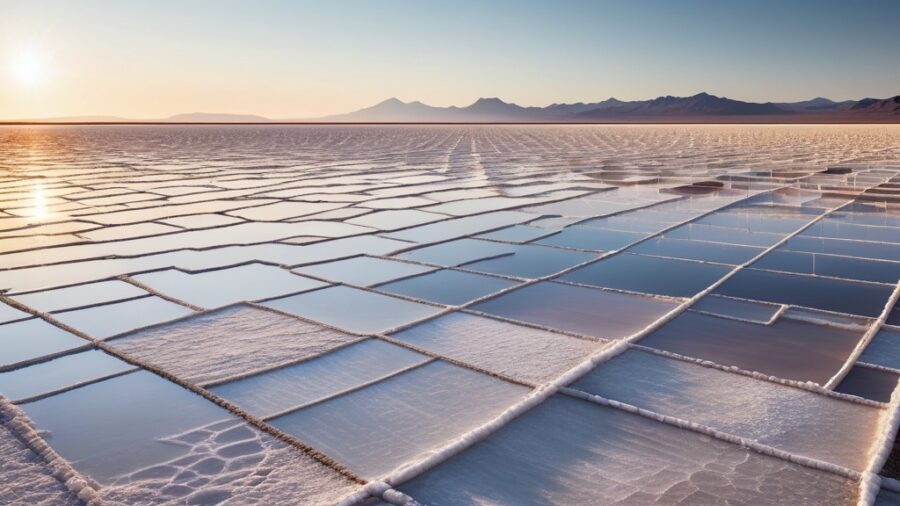
Introduction to Traditional Salt Harvesting Methods
Traditional salt harvesting methods have been an essential part of human civilization for centuries. Salt has played a crucial role in food preservation, culinary practices, and even in various cultural rituals. Understanding these methods provides insight into not only the techniques used but also the communities that rely on them. In this article, we will explore the fascinating world of traditional salt harvesting, delving into historical backgrounds, various techniques, and the impacts of geography on salt production.
As we journey through the topic, we will uncover the environmental implications of these practices, the modern innovations that are reshaping the industry, and the efforts made to preserve traditional methods. The richness of this subject is vast, and by the end of this article, readers will have gained a deeper appreciation for the nuances and complexities involved in traditional salt harvesting methods.
This exploration is not merely an academic endeavor; it is a celebration of cultural heritage and sustainable practices. Let us embark on this journey to discover how traditional techniques have stood the test of time and continue to influence salt production today.
Historical Background of Salt Harvesting
The Origins of Salt Harvesting
The history of salt harvesting dates back to ancient civilizations, where salt was not just a seasoning but a valuable commodity. Archaeological evidence suggests that as early as 6000 BC, people were harvesting salt from natural deposits and seawater. In regions such as China, Egypt, and India, salt became a vital trade item, influencing economic structures and social hierarchies.
In ancient Rome, salt was so valuable that soldiers were partially paid with it, leading to the term “salary.” This historical significance highlights how essential salt was for survival and commerce, paving the way for various harvesting methods that emerged over time.
Evolution of Techniques Across Cultures
As civilizations progressed, so did the techniques of salt harvesting. In Asia, the traditional practice known as “salt farming” involved evaporating seawater in shallow ponds. This method is still prevalent in countries like Japan and South Korea. In contrast, Mediterranean regions adopted techniques such as rock salt mining, where salt is extracted from underground deposits. Each culture developed unique practices, influenced by their environment and available resources.
Throughout history, these methods evolved, incorporating innovations that improved efficiency and yield. Understanding this evolution is crucial for appreciating the rich tapestry of traditional salt harvesting techniques that exist today.
Different Techniques in Salt Harvesting
Solar Evaporation
One of the most common traditional methods of salt harvesting is solar evaporation. This technique relies on the sun’s heat to evaporate seawater, leaving behind salt crystals. Typically practiced in coastal areas, solar evaporation involves creating shallow ponds where seawater is channeled and allowed to sit under the sun. As the water evaporates, salt begins to crystallize.
This method is not only cost-effective but also environmentally friendly. Countries like India and Egypt have successfully utilized solar evaporation for centuries, demonstrating its sustainability and efficiency. The salt produced through this method is often high in minerals, adding unique flavors and health benefits.
Rock Salt Mining
In contrast to solar evaporation, rock salt mining is another prevalent method of traditional salt harvesting. This technique involves extracting salt deposits from underground mines. Rock salt, also known as halite, is typically found in significant deposits in areas such as the United States, Germany, and Poland.
The mining process can be labor-intensive, requiring the use of heavy machinery or manual labor to extract the salt. Once mined, the salt is often crushed and refined for various uses, from culinary to industrial applications. Understanding the differences between these techniques highlights the adaptability of traditional salt harvesting methods across different geographical regions.
| Method | Location | Characteristics |
|---|---|---|
| Solar Evaporation | Coastal Areas (India, Egypt) | Cost-effective, environmentally friendly, mineral-rich |
| Rock Salt Mining | Underground Mines (USA, Germany) | Labor-intensive, requires machinery, versatile uses |
The Role of Geography in Salt Production
Coastal vs. Inland Regions
The geography of a region plays a pivotal role in determining the method of salt production utilized. Coastal regions benefit from access to seawater, making solar evaporation the most feasible option. Countries like Australia and Mexico have capitalized on their coastal environments to produce high-quality sea salt through evaporation techniques.
Conversely, inland regions where seawater is not readily available often rely on rock salt mining. For example, the salt mines in the Great Lakes region of the United States serve as a crucial source of salt for both culinary and industrial purposes. This geographical distinction not only influences the methods employed but also the types of salt produced.
Climate Influences on Salt Harvesting
Climate is another significant factor affecting salt harvesting methods. Regions with high temperatures and low humidity levels are ideal for solar evaporation, as the sun efficiently evaporates water. Conversely, in cooler and more humid climates, solar evaporation becomes less viable, leading to a reliance on mining techniques.
The impact of climate extends beyond the method of production; it also affects the quality of salt harvested. For instance, salts harvested in arid climates often contain different mineral compositions compared to those harvested in humid areas. Understanding these climatic influences is essential for appreciating the diversity of traditional salt harvesting methods worldwide.
Environmental Impact of Traditional Salt Harvesting
Positive Impacts on Local Ecosystems
While traditional salt harvesting methods are often viewed through the lens of human impact, they can also have positive effects on local ecosystems. For instance, solar evaporation ponds can create unique habitats for various species of birds and marine life. These habitats often support biodiversity, playing a crucial role in maintaining ecological balance.
Moreover, traditional methods tend to be more sustainable compared to industrial practices. The low use of chemicals and reliance on natural processes means that the environmental footprint is often minimal. Communities practicing traditional salt harvesting often emphasize sustainable practices, ensuring that both the environment and their livelihoods are preserved.
Challenges and Concerns
Despite the positive aspects, traditional salt harvesting also faces significant environmental challenges. Over-extraction of salt, particularly in areas where solar evaporation is the primary method, can lead to habitat degradation and loss of biodiversity. Moreover, climate change poses a threat to these practices, as changing weather patterns affect the availability of seawater and the efficiency of evaporation.
It is crucial for communities and policymakers to address these challenges through sustainable management practices. Balancing the need for salt production with environmental conservation is vital for the longevity of traditional methods and the ecosystems they inhabit.
Modern Innovations in Salt Harvesting
Technological Advancements
In recent years, the salt harvesting industry has witnessed significant technological advancements that aim to enhance productivity and sustainability. Innovations such as automated solar evaporation systems and advanced mining techniques have improved efficiency while reducing environmental impact. For instance, modern evaporation ponds are designed to maximize sunlight exposure and minimize water loss, leading to higher yields.
Furthermore, the incorporation of monitoring technologies allows salt producers to track environmental conditions, optimizing the harvesting process. These innovations ensure that traditional methods can coexist with modern demands, providing a pathway for the future of salt harvesting.
Integration of Sustainable Practices
Modern innovations also focus on integrating sustainable practices into traditional methods. For example, some salt producers are adopting organic practices, ensuring that the salt harvested is free from harmful chemicals. This approach not only caters to the growing demand for organic products but also enhances the quality of the salt produced.
Additionally, initiatives aimed at educating local communities about sustainable practices have emerged. These programs empower local salt harvesters to adopt methods that protect their environment while maintaining their livelihoods. The synergy between traditional knowledge and modern practices creates an opportunity for a more sustainable future in salt harvesting.
| Innovation | Description | Benefits |
|---|---|---|
| Automated Evaporation Systems | Systems that enhance sunlight exposure and minimize water loss | Increased efficiency and higher yields |
| Monitoring Technologies | Devices to track environmental conditions during harvesting | Optimized harvesting process and reduced waste |
Preservation of Traditional Techniques
The Importance of Cultural Heritage
Preserving traditional salt harvesting methods is crucial for maintaining cultural heritage. These techniques are often passed down through generations, embodying the knowledge and practices of local communities. As globalization and industrialization threaten these practices, efforts to preserve them have become increasingly important.
Initiatives such as cultural festivals and educational programs aim to raise awareness about traditional salt harvesting. By showcasing the skills and knowledge involved, these efforts help to ensure that future generations understand and appreciate this cultural heritage.
Community Involvement and Education
Community involvement is vital in preserving traditional salt harvesting techniques. Local organizations often play a significant role in educating younger generations about the importance of these methods. Workshops and hands-on training sessions allow individuals to learn directly from experienced harvesters, fostering a sense of pride and continuity.
Additionally, partnerships between local communities and academic institutions can facilitate research into traditional practices, ensuring they are documented and valued. By promoting education and community engagement, we can safeguard the future of traditional salt harvesting methods.
Conclusion: The Future of Traditional Salt Harvesting
Traditional salt harvesting methods represent a rich tapestry of cultural heritage and sustainable practices that have endured for centuries. As we have explored, the historical backgrounds, various techniques, and geographic influences all contribute to the complexity of salt production. While modern innovations have introduced new technologies and practices, the essence of traditional methods remains vital.
Looking ahead, it is essential to balance the preservation of these techniques with the demands of a changing world. By integrating sustainable practices, leveraging modern innovations, and fostering community involvement, we can ensure that traditional salt harvesting methods continue to thrive. The future of salt production lies in honoring the past while adapting to the present, creating a harmonious relationship between tradition and innovation.
Frequently Asked Questions about Salt Harvesting
What are the primary methods of traditional salt harvesting?
The two primary methods of traditional salt harvesting are solar evaporation and rock salt mining. Solar evaporation involves evaporating seawater in shallow ponds, while rock salt mining extracts salt from underground deposits.
How does geography influence salt harvesting?
Geography significantly impacts salt harvesting methods. Coastal regions typically use solar evaporation due to easy access to seawater, while inland areas often rely on rock salt mining due to the absence of seawater.
What environmental impacts are associated with traditional salt harvesting?
Traditional salt harvesting can have positive effects on local ecosystems, such as creating habitats for wildlife. However, over-extraction and climate change pose challenges that need to be addressed through sustainable practices.
How are modern innovations changing traditional salt harvesting?
Modern innovations are enhancing traditional salt harvesting through technological advancements, such as automated evaporation systems and monitoring technologies. These improvements increase efficiency and reduce environmental impacts.
Why is it important to preserve traditional salt harvesting techniques?
Preserving traditional salt harvesting techniques is essential for maintaining cultural heritage. These methods embody the knowledge and practices of local communities, and their preservation ensures future generations can appreciate and learn from them.
Recap
- Traditional salt harvesting methods have deep historical roots and cultural significance.
- Solar evaporation and rock salt mining are the primary techniques used globally.
- Geography and climate play crucial roles in determining salt harvesting methods.
- Environmental impacts include both positive contributions to ecosystems and challenges from over-extraction.
- Modern innovations are enhancing traditional practices while promoting sustainability.
- Community involvement and education are vital for the preservation of these techniques.
- The future of salt harvesting lies in balancing tradition with modern demands.
- Understanding these practices fosters appreciation and recognition of cultural heritage.