
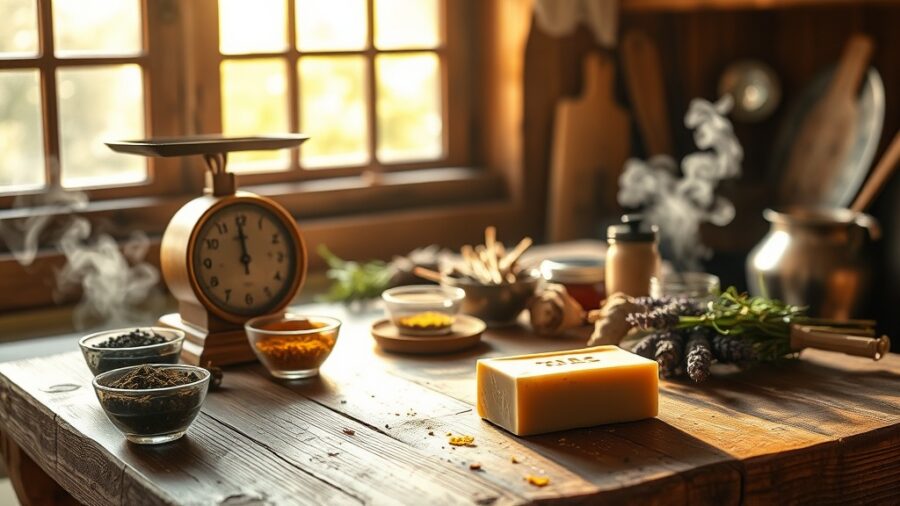
Introduction to Traditional Soap Making Crafts
Traditional soap making crafts encompass a rich history and a vibrant community of artisans dedicated to creating unique, handcrafted soaps. This age-old practice not only allows individuals to express their creativity but also offers an opportunity to reconnect with natural ingredients and sustainable practices. In this article, we will explore the fascinating world of traditional soap making crafts, delving into its history, essential tools, techniques, and much more.
As we journey through the various aspects of soap making, you will learn about the essential ingredients and tools required to start your soap-making adventure. We will also discuss different methods of soap making, from cold process to hot process, and the unique artistic designs that can be achieved. Whether you are a beginner or an experienced soap maker, this guide aims to provide valuable insights and practical tips to enhance your craft.
Not only does making your own soap allow for creative expression, but it also promotes sustainability and a healthier lifestyle. You will discover the numerous benefits of crafting your own soap, as well as common pitfalls to avoid. Join us as we unravel the intricacies of traditional soap making and inspire you to embark on or continue your soapy journey.
The History of Soap Making
The origins of soap making can be traced back to ancient civilizations, with the earliest records dating to around 2800 B.C. in Mesopotamia. Early soap was made from animal fats mixed with wood ash and water, creating a basic cleansing agent. The Egyptians also utilized a similar mixture, which they infused with fragrances and essential oils for personal hygiene.
As time progressed, the craft evolved significantly. The Romans refined soap making techniques and began to produce soap in large quantities around 200 A.D. They discovered that the addition of alkaline substances improved the soap’s cleansing properties. This period marked the beginning of soap as a commercial product, paving the way for its widespread use across Europe.
By the Middle Ages, soap making had become a recognized trade. In 13th century France, guilds were established to regulate the quality of soap. The introduction of olive oil and other plant-based oils further improved the quality of soap. However, it wasn’t until the 19th century that soap making underwent a revolution with the advent of industrialization, leading to mass production and the commercialization of synthetic soaps.
Key Milestones in Soap Making History
- 2800 B.C.: Earliest records of soap making in Mesopotamia.
- 200 A.D.: Romans refine soap-making techniques.
- 13th Century: Establishment of soap-making guilds in France.
- 19th Century: Industrial revolution transforms soap production.
Evolution of Ingredients Used
The ingredients used in soap making have evolved from simple animal fats and ashes to a wide array of natural oils, lye, and essential oils. Modern soap makers often prefer plant-based oils such as coconut, olive, and palm oils due to their moisturizing properties and sustainability. The inclusion of essential oils not only enhances the fragrance but also adds therapeutic benefits, aligning with the growing demand for natural and organic products.
Essential Tools and Ingredients for Soap Making
Before embarking on your journey into traditional soap making crafts, it’s crucial to familiarize yourself with the essential tools and ingredients. Having the right equipment ensures a smoother process and better results.
Some of the basic tools required for soap making include:
- Soap Molds: Used to shape the soap into desired forms.
- Thermometers: Essential for monitoring the temperature of oils and lye.
- Scale: Accurate measurements of ingredients are vital for successful soap making.
- Mixing Tools: Stick blenders or hand mixers are commonly used to blend the ingredients.
- Safety Gear: Gloves and goggles are necessary to protect against lye, which can be caustic.
Common Ingredients Used in Soap Making
The ingredients used in soap making can vary widely, but some common ones include:
- Oils: Coconut oil, olive oil, palm oil, and shea butter.
- Lye: Sodium hydroxide is essential for the saponification process.
- Water: Used to dissolve lye before combining with oils.
- Essential Oils: For fragrance and therapeutic properties.
- Additives: Colorants, herbs, and exfoliants can enhance the soap’s appearance and texture.
Understanding Measurements and Safety
Accurate measurements are critical in soap making, as the wrong ratios can lead to faulty saponification or undesirable results. It is essential to use a reliable scale and follow recipes carefully. Additionally, safety precautions must be adhered to when handling lye, as it can cause severe burns. Always work in a well-ventilated area and wear protective gear.
Different Methods of Soap Making
There are several methods of soap making, each with its unique characteristics and advantages. Understanding these methods will help you choose the right approach for your soap crafting journey.
Cold Process Soap Making
The cold process method is one of the most popular techniques among traditional soap makers. It involves mixing oils with lye at room temperature, allowing the soap to cure over several weeks. This method is favored for its ability to create a high-quality product with a rich lather and moisturizing properties.
The cold process method allows for customization, as soap makers can experiment with different oils, fragrances, and additives. However, it requires careful temperature control and precise measurements to achieve the desired results.
Hot Process Soap Making
In contrast to the cold process, the hot process method involves heating the soap mixture, which accelerates the saponification process. This technique allows soap makers to use the soap sooner, typically within a few days of making it. The hot process creates a rustic texture and can be poured into molds while still hot.
While the hot process method can be quicker, it requires additional equipment, such as a slow cooker or double boiler, and may not offer the same level of customization as the cold process. However, it is an excellent option for those looking to produce soap in a shorter timeframe.
Creative Designs and Techniques in Soap Making
Soap making is not only a functional craft but also an artistic one. Many soap makers enjoy incorporating creative designs and artistic techniques into their products. This section explores various methods to elevate your soap-making game.
Swirling Techniques
Swirling is a popular technique that involves combining different colors of soap to create visually stunning patterns. By pouring different colored soap into the mold simultaneously and using a skewer or a stick to swirl the colors together, soap makers can achieve beautiful marbled effects. This technique allows for endless creativity, and the results can be breathtaking.
Embedding Objects
Another creative approach is embedding objects within the soap. This could include herbs, flowers, or even small toys for themed soaps. The key is to ensure that the embedded objects are safe and won’t interfere with the soap’s properties. Embedding adds a unique touch to the soap, making it a delightful gift or a decorative piece.
The Benefits of Making Your Own Soap
Making your own soap offers numerous benefits that go beyond mere aesthetics. As consumers become more conscious of the ingredients in their personal care products, the demand for natural and handmade soaps has surged. Here are some compelling reasons to start crafting your own soap.
Customization
One of the most significant advantages of making your own soap is the ability to customize ingredients and fragrances. This means you can cater to specific skin types, preferences, or even dietary restrictions. For example, individuals with sensitive skin can opt for gentle oils and avoid synthetic fragrances, creating a product tailored to their needs.
Cost-Effectiveness
While the initial investment in tools and ingredients may seem high, making your own soap can be cost-effective in the long run. Commercial soaps often contain fillers and preservatives that can drive up costs. By crafting your own soap, you can save money, especially when buying ingredients in bulk. Furthermore, handmade soaps make excellent gifts, allowing you to save on purchasing commercial products for friends and family.
Common Mistakes in Soap Making and How to Avoid Them
Even seasoned soap makers can encounter challenges during the soap-making process. It’s essential to be aware of common mistakes to ensure a successful outcome. This section outlines some frequent pitfalls and how to avoid them.
Incorrect Measurements
One of the most common mistakes in soap making is inaccurate measurements. Using too much lye or water can lead to poor saponification, resulting in a subpar product. Always use a reliable scale and double-check your measurements before mixing ingredients. Following a trusted recipe can help mitigate this risk.
Neglecting Safety Precautions
Safety should always be a top priority when working with lye and other caustic substances. Many beginners underestimate the importance of protective gear. Always wear gloves and goggles, work in a well-ventilated area, and keep vinegar nearby to neutralize any lye spills. Familiarizing yourself with safety protocols can prevent accidents and ensure a safe soap-making experience.
Sustainable Practices in Soap Making
As the world becomes increasingly aware of environmental issues, many soap makers are adopting sustainable practices in their craft. This section highlights how traditional soap making can align with eco-friendly principles.
Using Natural Ingredients
One of the fundamental aspects of sustainable soap making is the use of natural ingredients. By choosing organic oils, essential oils, and natural colorants, soap makers can create products that are not only good for the skin but also for the environment. Supporting local suppliers and avoiding synthetic chemicals further enhances sustainability.
Minimizing Waste
Another way to practice sustainability in soap making is by minimizing waste. Many soap makers repurpose leftover scraps from previous batches, creating new soap designs or using them as exfoliants. Additionally, opting for recyclable or biodegradable packaging helps reduce the environmental impact of soap production.
Conclusion and Key Takeaways
In conclusion, traditional soap making crafts offer a unique blend of creativity, sustainability, and practicality. Throughout this guide, we have explored the rich history of soap making, essential tools and ingredients, various methods, and the benefits of crafting your own soap. By embracing this art form, you not only create beautiful products but also contribute to a more sustainable lifestyle.
As you embark on your soap-making journey, remember the importance of safety, accuracy, and creativity. Each bar of soap you create is a reflection of your skills and dedication to the craft. Whether you choose to make soap for personal use, gifts, or even to sell, the joy of crafting your soap is an experience worth exploring.
Frequently Asked Questions about Soap Making
1. Can I use any type of oil for soap making?
While you can use various oils, some are better suited for soap making than others. Oils like coconut, olive, and palm are commonly used due to their properties that enhance lather and moisturizing effects. Always research oil properties before using them in your recipes.
2. How long does it take for soap to cure?
The curing time for soap typically ranges from 4 to 6 weeks, depending on the method used and the ingredients. During this time, the soap undergoes a chemical process called saponification, which is essential for ensuring a safe and usable product.
3. Is it safe to make soap at home?
Yes, making soap at home can be safe if proper precautions are taken. Always wear protective gear when handling lye, work in a well-ventilated area, and familiarize yourself with safety protocols to prevent accidents.
4. Can I sell homemade soap?
Yes, you can sell homemade soap, but be sure to research local regulations regarding cosmetic products. You may need to comply with labeling requirements and safety standards to ensure your products are safe for consumers.
5. What are some common additives in soap making?
Common additives include essential oils for fragrance, natural colorants, herbs, and exfoliants like oatmeal or coffee grounds. These ingredients can enhance the soap’s properties and aesthetic appeal, making it more enjoyable for users.
Recap
- Traditional soap making crafts have a rich history dating back to ancient civilizations.
- Essential tools include soap molds, thermometers, scales, and safety gear.
- Different methods such as cold process and hot process offer unique advantages.
- Creative techniques like swirling and embedding can elevate your soap designs.
- Making your own soap provides customization, cost-effectiveness, and sustainability.
- Avoid common mistakes by ensuring accurate measurements and following safety protocols.
- Incorporate sustainable practices by using natural ingredients and minimizing waste.