
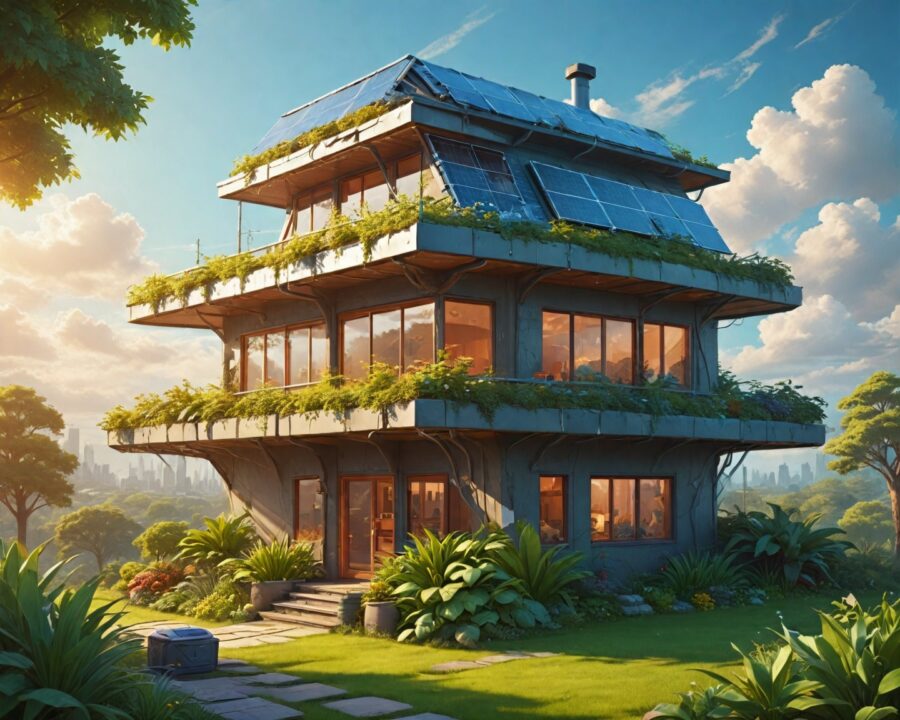
Introduction to Green Technology in Homes
As we edge closer to the year 2030, the landscape of residential living is poised for monumental transformation. At the heart of this evolution is green technology, a driving force behind the creation of sustainable homes that align with environmental stewardship and energy efficiency. More than just a trend, the integration of eco-conscious designs and materials into everyday living spaces is a necessity as the world grapples with climate change and its manifold effects. By investing in green technology, homeowners not only contribute to a healthier planet but also benefit from cost savings and increased property values.
Green technology in homes aims to reduce reliance on non-renewable resources, lower carbon footprints, and create healthier living environments. As governments, societies, and individuals recognize the urgency of environmental preservation, sustainable homes equipped with renewable energy systems, eco-friendly materials, and intelligent designs are set to become the norm rather than the exception. This shift towards greener pastures in home technology promises to redefine our relationship with the spaces we inhabit and the wider ecosystem.
Key Features of Sustainable Homes
Today’s sustainable homes are characterized by a variety of features that focus on efficiency, resource conservation, and environmental harmony. One of the most notable aspects is energy efficiency, achieved through high-performance windows, LED lighting, and energy-efficient appliances. These homes are strategically designed to maximize natural lighting, thereby reducing the need for artificial illumination and lowering energy consumption.
Another essential feature is the use of high-quality insulation materials to minimize heat exchange and maintain a comfortable indoor climate, regardless of the season. This can include products made from recycled materials or advanced composites that offer superior performance. By employing such innovations, sustainable homes significantly reduce the heat lost or gained, directly impacting heating and cooling costs.
Additionally, sustainable homes often include renewable energy systems, such as solar panels or small-scale wind turbines. These systems not only generate clean energy but also decrease reliance on fossil fuels. When coupled with smart home technology, these features allow homeowners to monitor and optimize their energy usage in real time, ensuring maximum efficiency and minimal waste.
The Role of Renewable Energy in Future Homes
Renewable energy is at the forefront of sustainable home design and is crucial to the transition towards greener living spaces. Solar power, in particular, has seen significant advancements, making it more accessible and affordable for homeowners. Photovoltaic panels are increasingly being integrated into roof designs, providing a seamless and aesthetically pleasing way to capture sunlight and convert it into electricity.
The expansion of energy storage solutions, such as home battery systems, complements renewable energy sources by storing excess energy generated during peak production periods for use at night or during cloudy days. This not only ensures a steady energy supply but also minimizes reliance on the grid, reducing electricity costs and demand on infrastructure.
Other renewable methods, such as geothermal heating and cooling systems, use the earth’s natural temperature to regulate indoor climates efficiently. These systems have a low environmental impact and provide a reliable and constant source of heating and cooling, substantially lowering operational costs. Collectively, these technologies enable future homes to sustain themselves, produce minimal environmental impact, and promote a more resilient housing model.
Eco-Friendly Building Materials and Their Benefits
Using eco-friendly building materials is another key aspect of sustainable homes, offering both environmental and health benefits. Materials such as bamboo, reclaimed wood, and recycled metal demonstrate how sustainable choices can combine aesthetic appeal with functionality. Bamboo, for instance, grows quickly and requires minimal resources, making it an excellent renewable option for flooring and structural components.
Similarly, reclaimed wood not only provides a second life for previously used timber but also adds unique character and warmth to interiors. Additionally, recycled metal is an increasingly popular choice for structural elements and roofing, thanks to its durability and minimal environmental footprint.
Using materials with low volatile organic compounds (VOCs) is equally important in promoting healthy indoor air quality. Products like non-toxic paints and finishes help minimize exposure to harmful chemicals. Sustainable homes also embrace innovative materials like hempcrete and mycelium, which are not only eco-friendly but also excellent insulators, contributing to lower energy requirements.
| Eco-Friendly Material | Benefits |
|---|---|
| Bamboo | Rapid growth, renewable, strong, versatile |
| Reclaimed Wood | Unique character, repurposed, lower environmental impact |
| Recycled Metal | Durable, endlessly recyclable, energy-efficient |
| Low VOC Paints | Reduces toxic emissions, improves indoor air quality |
Smart Home Technology for Energy Efficiency
The rise of smart home technology is transforming how we interact with our living spaces, with a strong emphasis on energy efficiency. These intelligent systems enable homeowners to monitor, control, and optimize various aspects of their homes from lighting and temperature to security and water usage, via apps or voice-activated devices.
Smart thermostats, for instance, learn user patterns and adjust heating and cooling schedules automatically, ensuring optimal energy use and significant cost savings over time. Similarly, smart lighting systems allow users to program lighting scenarios, dim lights, or turn off fixtures remotely, further minimizing energy consumption.
Furthermore, home energy management systems provide comprehensive insights into energy usage patterns, helping identify areas for improvement. These systems can seamlessly integrate with renewable energy sources, allowing users to maximize efficiency and reduce utility bills. This intersection of technology and sustainability empowers homeowners to take proactive roles in conserving energy and resources.
Water Conservation Systems in Green Homes
Water conservation is another critical component of sustainable home design, with innovative systems designed to minimize wastage and reduce the environmental impact. Rainwater harvesting systems are increasingly popular, capturing and storing rainwater for use in irrigation, flushing toilets, or even potable needs after treatment. These systems not only reduce demand on municipal supply but also help manage stormwater runoff.
Greywater recycling systems take conservation a step further by treating and redistributing water from sinks, showers, and washing machines for non-potable purposes such as landscaping or flushing. Such systems drastically reduce overall water consumption and promote responsible use of resources.
High-efficiency plumbing fixtures, including low-flow toilets and showerheads, are standard in sustainable homes and exert a considerable impact on domestic water usage. By combining these features, green homes are not only better equipped to combat water scarcity but also more resilient in the face of ongoing climate challenges.
Common Concerns About Green Technology Adoption
Despite the myriad advantages that green technology offers, some apprehensions remain among prospective adopters. A major concern is the initial investment cost, which can be substantial depending on the level of technology integration and the specific materials chosen. Although prices are decreasing, particularly for renewable energy solutions, upfront expenses can still be a barrier.
Another consideration is the availability and reliability of green technology installations, as not all contractors or regions offer the same level of service or expertise. Consequently, potential adopters must thoroughly research and evaluate providers to ensure quality and performance.
Concerns about the longevity and maintenance of green technology systems also persist. Homeowners may question how these systems hold up over time and what repairs or upkeep might be necessary. However, with technological advancements and widespread adoption, these concerns are progressively being addressed, and the benefits often outweigh the initial hesitation.
Cost Implications of Building Green Homes
Constructing a sustainable home does entail certain cost considerations. On the surface, the price tag for implementing green technologies and materials can appear daunting. However, it is essential to view these costs in the context of long-term savings and return on investment. Energy-efficient homes typically cost less to operate, thanks to reduced utility bills and maintenance expenses.
Furthermore, government incentives, rebates, and tax credits can significantly offset the initial expenditures applied towards green building solutions. As regulations and policies continuously support and promote the transition to sustainable practices, financial incentives are likely to increase, making eco-friendly homes more attainable.
Additionally, sustainable homes tend to yield higher resale values, appealing to environmentally conscious buyers who are willing to pay a premium for energy efficiency and green features. As the demand for such homes grows, their long-term value and investment potential become increasingly favorable.
Practical Steps to Transition to a Green Home
Transitioning to a green home can be a rewarding endeavor that contributes positively to the environment and personal wellbeing. Here are some practical steps for homeowners aiming to make their homes more sustainable:
-
Energy Audit: Begin with a professional energy audit to identify inefficiencies and areas for improvement. This insight provides a roadmap for implementing changes that offer the greatest impact.
-
Prioritize Easy Wins: Identify simple upgrades such as switching to LED lighting, installing a programmable thermostat, or adding weather stripping to doors and windows as cost-effective, immediate improvements.
-
Invest in Renewable Energy: Consider installing solar panels or other renewable energy systems to reduce reliance on non-renewable power sources and lower energy costs over time.
-
Upgrade Insulation: Enhancing insulation in walls, roofs, and floors can dramatically improve energy efficiency and comfort.
-
Choose Sustainable Materials: Select eco-friendly materials during renovations or new constructions, emphasizing durability, low emissions, and renewable sources.
-
Water Conservation Measures: Install water-saving fixtures and consider implementing rainwater or greywater systems to conserve this precious resource.
-
Engage with Experts: Consult with green architects, builders, and designers who specialize in sustainable practices to guide and execute your vision for a green home.
-
Continuous Learning: Stay informed about advancements in green technology and sustainability, which can provide opportunities for further improvements.
Future Trends in Green Home Technology
Green home technology is on an evolutionary path as innovation and research continually push the boundaries of what is possible. In the near future, we can expect an increased focus on smart grid integration, which will allow homes to interact dynamically with broader energy networks, optimizing energy distribution and load balancing on a communal level.
The rise of artificial intelligence and machine learning will lead to smarter home systems that autonomously adjust energy settings based on real-time data and environmental changes. This will not only streamline efficiency but also enable proactive maintenance of residential systems.
Moreover, the development of new materials and engineering methods, such as biophilic design and living walls, will incorporate natural elements more deeply into living spaces, promoting wellness and ecological resilience. The aim is to create homes that are not just sustainable but also harmonious with nature, underscoring the integration of ecology, aesthetics, and technology.
FAQ
What defines a sustainable home?
A sustainable home is designed and built with materials and technologies that minimize environmental impact, conserve resources, and reduce energy consumption while providing a healthy living environment.
Are sustainable homes more expensive to build?
Initially, sustainable homes may be more expensive to build due to the cost of green materials and technologies. However, they typically result in lower operational costs due to energy and resource efficiencies, balancing the upfront investment.
Can I turn my existing home into a sustainable one?
Yes, existing homes can be retrofitted with sustainable features such as improved insulation, energy-efficient appliances, and renewable energy systems. Beginning with an energy audit can help prioritize changes with the greatest impact.
What government incentives are available for green homes?
Many governments offer incentives for sustainable home-building practices, including tax credits, rebates, and grants for energy-efficient improvements and renewable energy installations. These incentives vary by location.
How do I maintain technology systems in a green home?
Regular maintenance and monitoring through smart devices can help ensure the longevity and efficiency of technology systems in a green home. Engaging qualified professionals for periodic inspections is also recommended.
Are renewable energy systems reliable?
Yes, renewable energy systems such as solar and wind are reliable and continue to improve in efficiency and storage capabilities. Incorporating battery storage ensures energy availability regardless of weather conditions.
Do sustainable homes have a smaller environmental footprint?
Yes, sustainable homes are intentionally designed to have a smaller environmental footprint by minimizing energy consumption, utilizing renewable resources, and reducing waste through eco-friendly materials and practices.
What role does technology play in sustainable homes?
Technology plays a crucial role in sustainable homes, offering smart solutions for energy management, water conservation, and home automation that enhance efficiency, reduce waste, and improve comfort.
Recap
Creating sustainable homes involves integrating green technology and eco-friendly materials into residential design. Key components include energy efficiency, renewable energy sources, and water conservation systems. While the initial investment may be higher, long-term savings through reduced utility bills and maintenance, coupled with potential incentives, make green homes an attractive option. As technology evolves, the future promises more advanced solutions that foster synergy between homes and nature, providing a healthier and more resilient lifestyle.
Conclusion
As the world becomes increasingly aware of the importance of environmental preservation, sustainable homes represent a vital step toward a greener and more sustainable future. Embracing green technology not only contributes to environmental conservation but also enhances quality of life through energy savings and healthier living environments. Though challenges exist, the benefits of transitioning to sustainable homes are compelling and far-reaching.
By continuing to innovate and adopt green technologies, we pave the way for a more harmonious coexistence with our environment. The homes of 2030 will not only reflect advancements in technology but also our commitment to protecting the planet for future generations. As we move forward, the efforts we make today will undeniably shape the homes and societies of tomorrow.