
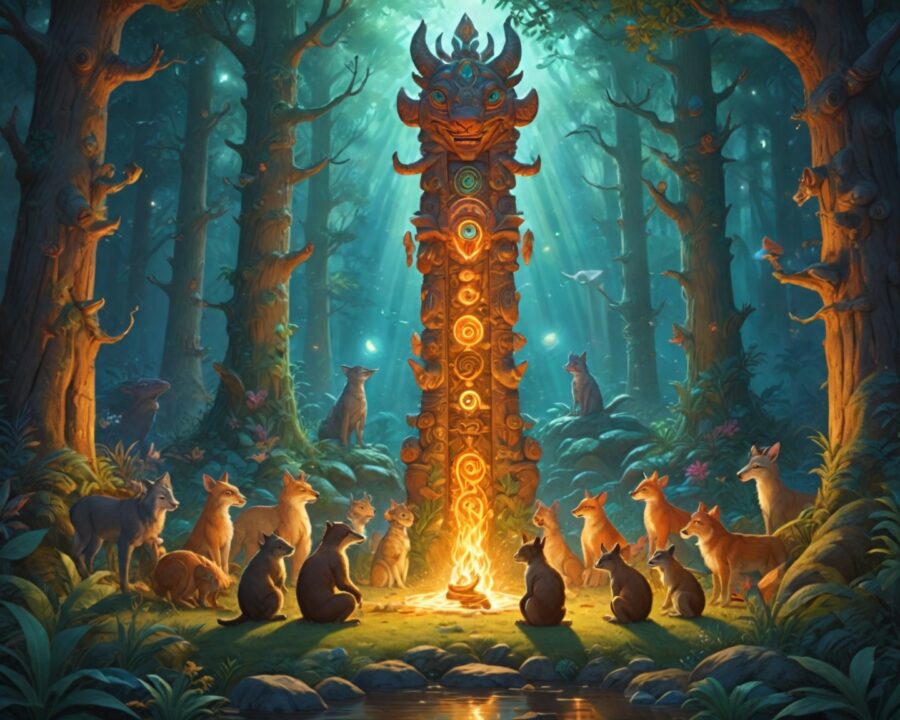
Introduction to Sacred Animals in Myths
Throughout human history, animals have held a profound place within the realm of mythology. They appear as divine messengers, powerful deities, and sacred beings across cultures worldwide. This element of mythology enriches our understanding of ancient civilizations, showing us how societies perceived the world around them and their relationship with nature. Just as natural phenomena inspired early myths, animals became symbols of reverence, embodying characteristics that humans aspired to understand or emulate.
Cultural overlap in the mythological significance of animals suggests a shared human inclination to attribute meaning to the natural world. These sacred animals often transcend the simplistic roles of prey and predator, becoming integral parts of spiritual narratives. From the wise owl of Ancient Greece to the sacred cows of Hinduism, animals continue to offer a unique lens through which to examine the values, beliefs, and customs of diverse societies. This blog post will explore why certain animals are held sacred in mythology, delving into their historical significance, symbolism, roles in rituals, and modern interpretations.
Historical Significance of Animals in Ancient Cultures
In ancient cultures, animals were more than mere companions or sources of sustenance; they were woven deeply into the societal and spiritual fabric of these civilizations. The Egyptians, for instance, embodied their gods in animal forms, signifying power and divinity. The goddess Bastet, depicted as a lioness or domestic cat, was not only a protector but also a symbol of home harmony and motherhood. Similarly, the god Anubis, represented as a jackal, underscored the importance of afterlife rituals.
In the context of Ancient China, mythical creatures like the dragon held significant cultural importance. Unlike the malevolent dragons of Western lore, Chinese dragons were benevolent and considered the epitome of ancient wisdom and strength. These creatures were deeply intertwined with the beliefs about water and weather, serving as a symbol of prosperity and good fortune. Thus, animals were not only part of daily life but also represented aspirations, fears, and cosmic forces.
The Mayans and the Aztecs also assigned animals significant religious and spiritual meanings, closely aligning them with the cosmos. The jaguar, for instance, was considered a powerful symbol of the night sun, representing both life and death due to its prowess as a nocturnal predator. These animals were often seen as intermediaries between earthly and supernatural realms, shaping the spiritual framework within which these societies existed.
Symbolism of Specific Animals in Global Myths
Across the globe, specific animals have been imbued with a rich tapestry of symbolism. The owl, revered in Greek mythology as a symbol of wisdom and associated with Athena, goddess of wisdom and war, demonstrates this beautifully. Owls serve as guides in the darkness, much like Athena’s wisdom could lead one through ignorance.
In the Norse mythological tradition, the wolf takes centerstage with its dual symbolism. Wolves like Fenrir and the pair Geri and Freki accompany Odin, reflecting themes of destruction and companionship. Fenrir, in particular, is a paradoxical figure symbolizing chaos, prophecy, and eventual renewal through Ragnarök, the ultimate destruction and rebirth of the world.
African myths often spotlight animals like the spider, which in many folklore tales serves as a trickster and a creator. Anansi, the spider god, is a well-known figure who weaves narratives as effortlessly as webs, embodying the cleverness and creativity highly valued in many African cultures. These examples reveal how specific animals are used to convey complex ideas, representing virtues or cautionary tales.
How Animals Represent Gods and Spirits in Mythology
Animals have often been the living embodiments of gods and spirits, serving as vessels for divine presence and acting as intermediaries between humans and the divine. In Hinduism, various deities are directly associated with specific animals, which serve as their vahanas or vehicles. For instance, Ganesha, the elephant-headed god of wisdom, is accompanied by a mouse, symbolizing the ability to overcome obstacles of any size.
Native American cultures profoundly integrate animal symbolism, where many myths highlight animals as representations or messengers of spiritual beings. The spirit animal concept operates as a personal or communal guide, with each creature embodying qualities that humans can draw upon. Bears, for instance, are often seen as symbols of strength and introspection, while eagles represent a connection with the Great Spirit.
In the cultural myths of Aztecs, the god Quetzalcoatl symbolizes the union of different cosmic forces, often depicted as the feathered serpent. This imagery combines the sky (feathers) and the earth (serpent), underscoring the interconnectedness of various elements. Animals thus emerge as symbols that embody and connect divine archetypes with earthly realities.
The Role of Sacred Animals in Rituals and Traditions
Sacred animals not only fill the pages of ancient myths but also take on active roles in rituals and traditions that have persisted through time. The Buddhist practice of releasing captive animals as an act of compassion is one way animals are incorporated into rituals aimed at promoting spiritual well-being and good karma. These rituals not only reflect the revered status of animals but also convey messages about the interconnectedness of all living beings.
Among the ancient Egyptians, animals were ritually mummified and buried alongside humans to serve them in the afterlife. The Apis Bull, revered as a symbol of fertility and strength in Memphis, Egypt, was worshipped and tended with elaborate ceremonies that underscored its significance in religious rites. Such traditions reveal how animals were perceived as mediators in the relationship between humanity and the divine.
In Japan, the tradition of Shinto incorporates animal symbolism into many of its practices. Foxes, or kitsune, are considered messengers to Inari, the rice deity, and often feature in the architecture and art of Inari shrines. These ritualistic roles illustrate the dynamic presence of sacred animals in cultural traditions, their symbolism extending beyond story into the real world practices and customs.
Examples of Sacred Animals in Different Cultures
Let’s explore some specific examples to highlight the diverse roles of sacred animals across different cultures:
| Culture | Sacred Animal | Symbolism & Role |
|---|---|---|
| Ancient Egypt | Cat | Protector of home; associated with goddess Bastet |
| Celtic | Stag | Associated with gods Cernunnos and the Horned God; symbolizes virility and new life |
| Hindu | Cow | Symbol of life and sustenance; associated with multiple deities |
| Native American | Eagle | Connection with the Great Spirit; symbol of wisdom and freedom |
| Chinese | Dragon | Symbolizes power, strength, and good luck; associated with prosperity |
| Norse | Raven | Represents thought and memory, connected to Odin; symbol of wisdom |
| Mayan | Jaguar | Symbol of power and the night; connected to royalty and the underworld |
Each of these cultures incorporates specific animals into their myths and traditions, offering a continuum of interpretation that changes with historical context and cultural values.
Why Certain Animals are Revered in Specific Regions
The reverence for certain animals in specific regions is often a reflection of the natural landscape and the socio-political context. For example, the enduring reverence for the cow in India can be attributed to the combination of agricultural dependence and religious doctrine. As a source of dairy, fuel, and other resources, the cow became a valuable sustainer of life, eventually evolving into a sacred symbol through the preservation of Hindu texts.
In contrast, the reverence for serpents in Mesoamerican cultures is heavily influenced by the natural environment and the prominence of certain species in the region. The Aztec deity Quetzalcoatl, represented as a feathered serpent, embodies the rich biodiversity and interdependency of these environments, highlighting the connection between gods, animals, and the natural world.
The practical symbolism of certain animals also contributes to their revered status. In Africa, the lion is revered for its strength and leadership qualities, reflecting the animal’s role as a top predator in the savannah ecosystem. Similarly, in regions where ravens are common, their intelligence and adaptability are esteemed, integrating them into myths that reflect similar values within the population.
Common Themes in Animal Symbolism Across Myths
Despite the varying contexts of sacred animals across global cultures, certain thematic elements remain consistent. One common theme is transformation, exemplified by creatures like the butterfly or serpent, which undergo physical metamorphoses. This theme resonates with notions of life, death, rebirth, and evolution, offering hope and meaning across diverse narratives.
Another prevalent theme is the duality of creation and destruction, often represented by animals that embody both nurturing and fierce characteristics. For example, the lioness is both a protective mother and a formidable hunter, symbolizing balance and the cyclical nature of life. These dual characteristics allow animals to bridge human understanding with cosmic phenomena.
Magic and mystery also permeate the symbolism of certain animals, embodying qualities that surpass human abilities. These animals, like the phoenix, possess abilities like flight or regeneration that tantalize the imagination and inspire myths about transcendence and eternal life. Such themes continue to captivate and inform modern interpretations of animals as symbols of deeper truths and wisdom.
Modern Interpretations of Sacred Animals in Myths
In contemporary culture, the interpretation of sacred animals in myths continues to evolve. As global communication increases awareness of different cultural traditions, the stories of these sacred animals find new life in modern popular media. Books, films, and art reimagine these age-old symbols, reflecting current societal dynamics in the process.
In environmental conversations, sacred animals now symbolize concepts like conservation and biodiversity, drawing attention to the need for protecting natural habitats. The use of animals as mascots in environmental campaigns leverages their symbolism to generate empathy and drive conservation action, recognizing their ongoing role in human cultural identity.
Artists and writers globally are rediscovering sacred animal mythology, creating modern myths that resonate with today’s values and challenges. These reinterpretations continue to underscore the universal and enduring human impulse to seek understanding and connection through the powerful symbol of sacred animals.
How to Explore Sacred Animal Myths in Your Culture
Exploring sacred animal myths within your own culture can be a fascinating and enriching endeavor. Here are steps to begin this journey:
-
Research Local Folklore: Start by investigating folktales, legends, and myths that are prevalent in your region. Libraries, local historical societies, and museums can be excellent resources for uncovering these stories.
-
Engage with Cultural Experts: Reach out to cultural historians, mythologists, or community elders who have a deep understanding of regional myths and can provide insights into the symbolism and significance of these animals.
-
Participate in Cultural Festivals: Experience firsthand how these myths are celebrated through festivals and traditions. Many cultures have parades, dances, and other ceremonies where animals play a central role.
-
Create and Share Your Findings: Document your learnings through writing, artwork, or storytelling. Sharing these narratives helps keep the mythology alive and relevant, offering insight to broader audiences about the unique aspects of your culture.
Exploration of sacred animal mythology is not just about preserving the past, but about crafting a deeper understanding of one’s heritage and its continuing impact on the present.
FAQ
What common traits do sacred animals generally symbolize?
Sacred animals frequently symbolize wisdom, strength, transformation, and protection. They often embody characteristics admired by humans, such as the owl’s association with Athena for wisdom and the lion’s representation of power and nobility.
How widespread is the belief in animals as spiritual beings?
The belief in animals as spiritual beings is nearly universal, found in many cultures across the world. Such beliefs often originate in ancient traditions and continue in modern practices, emphasizing the deep relationship humans have cultivated with the animal world.
Can modern interpretations of sacred myths be viable in academic research?
Yes, modern interpretations of sacred myths are valid in academic research as they reflect evolving cultural norms and offer insights into contemporary societal structures. Understanding how ancient symbols are reinterpreted today can provide valuable perspectives on human thought.
Are sacred animals connected to specific religious rituals today?
Many sacred animals continue to play roles in current religious rituals. Examples include the ceremonial release of doves in Christianity during certain festivals and the Hindu ritual of respecting cows, emphasizing the living connections with these myths.
How important is the role of storytelling in preserving animal mythology?
Storytelling is crucial for preserving animal mythology as it keeps traditions alive across generations. Through stories, the values and lessons inherent in these myths are continually communicated, ensuring that they remain culturally significant.
Recap
This article explored the fascinating role of sacred animals in mythology across cultures. We discussed their historical significance, their symbolic meanings, and how they serve as representations of deities and spirits. Rituals and traditions incorporate these animals deeply, highlighting their continued relevance. Examples from different cultures underscore the variety and universality of animal symbolism, and common themes illustrate how animals transcend cultural barriers to embody broader human truths. Modern interpretations show evolving narratives while maintaining the ancient reverence for these creatures, offering continuity and transformation through mythological storytelling.
Conclusion
The enduring presence of sacred animals in mythology is a testament to the powerful relationship between humans and the natural world. By embodying characteristics humans find admirable or desirable, these animals become immortalized in myths that transcend time and culture. Their stories not only entertain but also convey deep spiritual truths and societal values, shedding light on human consciousness.
In today’s world, the legacy of sacred animals continues to influence creativity, art, and environment, offering a bridge between past and present. As we explore and reinterpret these ancient symbols, we carry forward a rich tapestry of human thought, continually weaving new narratives that reflect who we are and who we aspire to become.
Ultimately, as guardians of their mythical status, we bear the responsibility of preserving these narratives and understanding their implications. As these sacred animals guide us through myths, they echo an age-old reminder of our intrinsic connections to each other and the natural world, urging us to respect and protect the profound tapestry of life that surrounds us.